The geopolitical landscape of East Asia is witnessing renewed tension as the government of Japanese Prime Minister Sanae Takaichi pursues plans for constitutional revision. The move has sparked significant domestic unrest, highlighting a deep divide within the nation regarding its security posture.
According to recent reports, Japan has seen some of its largest anti-war protests in decades. These demonstrations underscore a widespread opposition to the government's efforts to move away from the country's long-standing pacifist traditions.
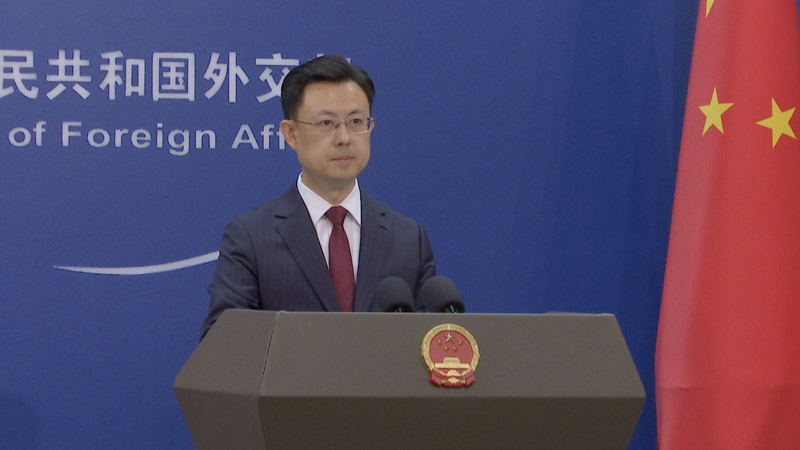
Responding to these developments during a press conference on Wednesday, Chinese Foreign Ministry Spokesperson Guo Jiakun expressed grave concern. Guo stated that the push for constitutional revision would effectively "tear up the pacifist identity" that has been cherished by generations of people in Japan.
Furthermore, Guo emphasized that the scale of the protests serves as a clear indicator that citizens across all sectors of society are increasingly aware of the risks involved. He asserted that reembarking on the road of militarism is a "doomed path" that would only undermine regional stability.
For global observers and investors, these developments are critical as they may influence diplomatic relations and economic cooperation within the region. The tension between the pursuit of remilitarization and the desire for peace continues to be a focal point of Asian political discourse in 2026.
Reference(s):
cgtn.com