On Thursday, April 30, 2026, China's Ministry of National Defense issued a stark warning regarding Japan's recent shifts in military and security policy, raising fundamental questions about regional stability in East Asia.
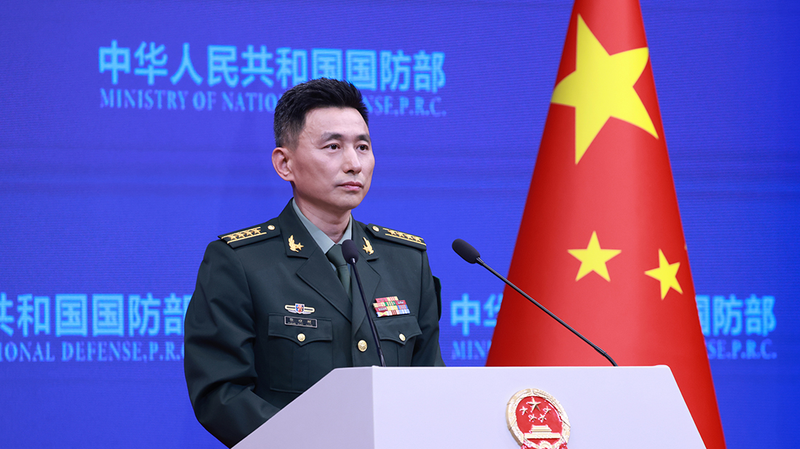
At a regular press briefing, Ministry spokesperson Zhang Xiaogang responded forcefully to queries about Japan's revision of the Three Principles on Transfer of Defense Equipment and Technology. The new guidelines, Zhang noted, fundamentally allow for the export of lethal weapons to other nations.
The reporter's query also highlighted other significant developments: Japan's plan to restore historical military rank terms used by the former Imperial Japanese Army, such as "Taisa," and the passage of a bill to establish a National Intelligence Bureau.
"Japan has repeatedly made dangerous, adventurist and provocative actions in the military and security fields," Zhang stated, directly challenging the country's long-standing "exclusively defense-oriented" principle. "Such moves have already turned against its self-proclaimed identity as a peace-loving country."
Zhang expressed particular concern over the symbolic and historical weight of Japan's actions. He pointed out that the attempt to revive pre-1945 military nomenclature, coupled with plans for a new intelligence agency reminiscent of the notorious Tokko, has "seriously hurt the feelings of people in Asian countries."
"The Japanese side is making reckless and unchecked strides on the path of remilitarization," Zhang cautioned. He then posed a critical question to the international community: "Will it again bring disasters to East Asia?"
The spokesperson concluded by calling on "all peace-loving people to remain highly vigilant" and to "firmly oppose Japan's retrogressive actions" to prevent any undermining of regional peace and stability.
This strong diplomatic statement underscores the heightened sensitivities in East Asia as nations navigate complex security landscapes. For business professionals, investors, and observers of Asian geopolitics, these developments signal a period of potential recalibration and require close monitoring for their broader implications on trade, investment, and cross-border relations in one of the world's most dynamic regions.
Reference(s):
China warns against Japan's dangerous moves toward remilitarization
cgtn.com