A New Era of Strategic Alignment
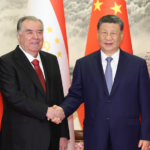
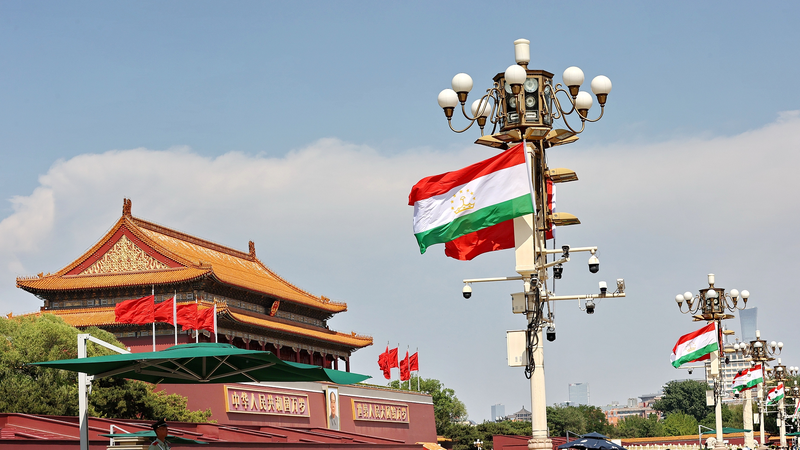
In a significant diplomatic milestone, a new chapter in China-Tajikistan relations was written this Tuesday at the Great Hall of the People in Beijing. Chinese President Xi Jinping and Tajik President Emomali Rahmon signed the China-Tajikistan Treaty on Permanent Good-Neighborliness, Friendship and Cooperation, a landmark agreement designed to define the bilateral relationship for generations to come.
The treaty marks a pivotal elevation of ties, shifting the partnership from a cooperative framework into a permanent strategic alignment. President Xi described the agreement as a testament to high-level political mutual trust, asserting that it provides a solid foundation for an everlasting friendship between the two nations.
The Evolution of Head-of-State Diplomacy
This landmark signing is the culmination of years of intensive engagement. The relationship has evolved steadily, beginning with the establishment of a strategic partnership in 2013 and progressing to a comprehensive strategic cooperative partnership in 2024. This trajectory of trust was further highlighted in July 2024, when President Xi awarded President Rahmon the Friendship Medal—China's highest state honor for foreign nationals—during a visit to Dushanbe.
President Rahmon noted that the treaty represents a new historical stage, opening vast prospects for long-term cooperation and stability in the region.
Mutual Trust and Sovereign Support
At the heart of this partnership is a commitment to steadfast mutual support. President Xi emphasized that regardless of the evolving external environment, China and Tajikistan will remain "good neighbors looking out for each other, good friends sharing candor and mutual trust, and good partners pursuing joint development."
The treaty reinforces China's support for Tajikistan's national independence, sovereignty, and security, as well as its right to pursue a development path suited to its own national conditions. In turn, President Rahmon reaffirmed Tajikistan's firm adherence to the one-China principle, recognizing that Taiwan is an inalienable part of China.
As both nations move forward, this permanent strategic alignment is expected to anchor regional stability and foster deeper economic and political integration in Central Asia.
Reference(s):
cgtn.com