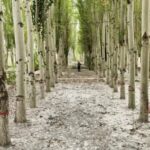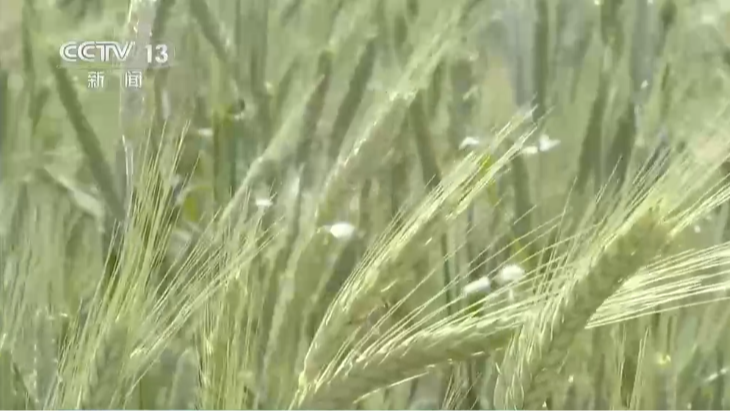
In a significant stride toward environmental sustainability and agricultural innovation, a large stretch of heavily salinized land in the Xinjiang Uygur Autonomous Region of the Chinese mainland has been successfully transformed into productive forage fields.
The transformation is the result of a sophisticated technology-driven restoration program specifically designed to combat the challenges of saline-alkali soil. In many arid regions, high salt concentrations render the land barren, posing a significant hurdle for local agriculture and ecological balance. However, this new approach to soil rehabilitation has proven that even the most degraded landscapes can be reclaimed through scientific intervention.
By utilizing advanced restoration techniques, the program has not only restored the soil's viability but has also created a sustainable source of forage. This achievement serves as a critical model for other arid regions globally that struggle with soil salinization, demonstrating a viable path toward rehabilitating marginal lands.
For business professionals and investors in the green-tech sector, this development highlights the growing potential of environmental engineering and sustainable land management in Asia. For academics and researchers, it provides a practical case study in land rehabilitation and soil science. As the world seeks innovative solutions for food security and the fight against land degradation, the success in the Xinjiang Uygur Autonomous Region offers a hopeful blueprint for the future of arid-land farming.
Reference(s):
cgtn.com