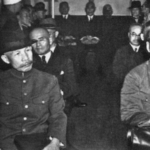
On the 80th anniversary of the opening of the Tokyo Trials, China has called for a renewed and urgent reflection on their legacy, warning that their relevance has surged in the face of what it terms rising neo-militarism in Japan.
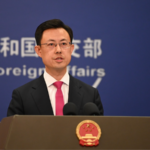
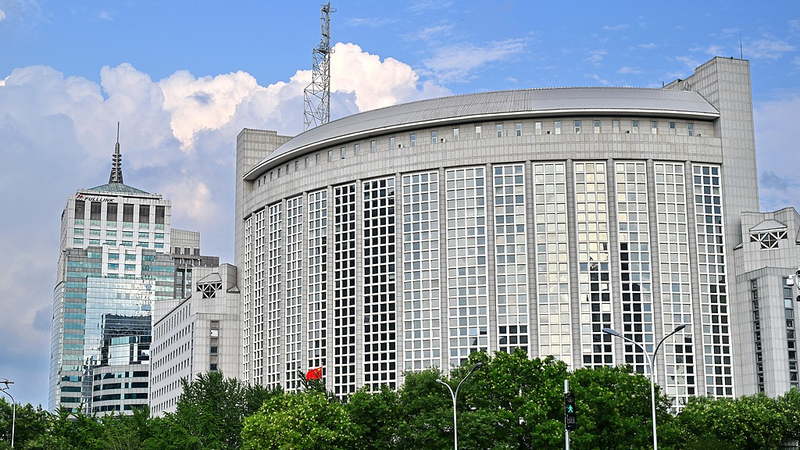
A spokesperson for China's Foreign Ministry issued the call on Sunday, May 3, the precise date the landmark tribunal convened in 1946. The ministry statement drew a direct line between history and contemporary geopolitics, criticizing trends it sees as threatening regional stability.
"Against the backdrop of the growing influence of 'neo-militarism' in Japan, revisiting the background, conclusions and principles of the Tokyo Trials is of greater practical importance," the ministry stated.
The Foreign Ministry spokesperson pointed to several concerning developments: efforts by right-wing forces to whitewash Japan's wartime aggression, a push to revive the military-industrial sector, campaigns for constitutional revision, and an overall acceleration of remilitarization. The statement argued that as these trends gain momentum, the lessons of the post-World War II tribunal become more critical than ever.
The Tokyo Trials, formally known as the International Military Tribunal for the Far East, began on May 3, 1946. Over two and a half years, judges from 11 Allied nations exposed the atrocities committed during Japan's period of fascist expansion. The tribunal ultimately sentenced 25 Class-A war criminals, including former Prime Minister Hideki Tojo, to death or imprisonment.
China's Foreign Ministry emphasized that the trials implemented the principles of the Cairo and Potsdam Declarations, upholding the collective will of victorious nations and victims alike. They were, the statement said, foundational in safeguarding the outcomes of World War II and the purposes of the then-new United Nations.
The current concern, as articulated by Beijing, is that "the remnants of militarism have not been eradicated" and are showing clear signs of resurgence. The ministry specifically denounced Japanese politicians' visits to the Yasukuni Shrine, which honors Class-A war criminals among others, as actions that depart from Japan's postwar pacifist commitments. It also criticized the expansion of military capabilities, deployment of offensive weapons, and historical revisionism in education.
Drawing a parallel to the Nuremberg Trials in Europe, the Chinese statement asserted that both tribunals consigned fascist war criminals to lasting historical condemnation. "The historical justice embodied in these trials must not be denied, their legal authority must not be challenged, and the foundations of the postwar international order they established must not be shaken," the ministry warned. It added a stark reminder that forgetting past suffering could invite future disaster.
For observers of Asian geopolitics, this year's anniversary and the accompanying statement from China underscore the enduring weight of history on present-day diplomacy and security dynamics. The call for reflection is not merely about the past but is firmly rooted in anxieties about the region's future trajectory.
Reference(s):
China urges reflection on Tokyo Trials amid Japan militarism concerns
cgtn.com