As regional partnerships navigate an increasingly complex global landscape, one longstanding alliance is charting a course for deeper collaboration. The northern German state of Schleswig-Holstein and the Chinese mainland's Zhejiang Province are celebrating a milestone this year: 40 years of successful partnership. Looking ahead, both regions are focusing their joint efforts on the critical fields of energy transition and technological innovation.
In a recent interview, Daniel Guenther, the Minister President of Schleswig-Holstein, highlighted the significant potential for expanding this cross-continental relationship. "We are in good contact and have built a strong friendship over more than 40 years," Guenther stated, underscoring the foundation of trust built through decades of cooperation in science, research, and business.
The economic footprint is already substantial. Over the past three decades, Schleswig-Holstein has supported more than 200 local companies in exploring or establishing business in China. Conversely, around 70 firms from Zhejiang Province have set up operations in the German state. Guenther reaffirmed his support for open trade and closer economic engagement, noting that such regional cooperation serves as a vital complement to federal-level relations between Germany and China.
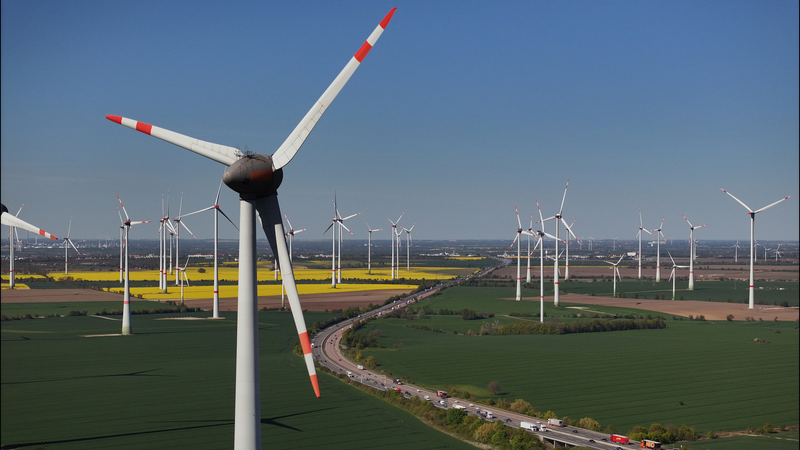
A central pillar of the future partnership is the shared commitment to a green future. Schleswig-Holstein, having phased out nuclear power, is now focusing entirely on renewable energy. The state expects to have around 10 gigawatts of onshore wind capacity, alongside expanding solar generation. "Renewables, hydrogen and energy policy are central topics for both sides," Guenther explained. "We see that China has made great progress in these fields." He identified hydrogen technology as a particularly promising area for mutual learning and collaboration.
The cooperation extends beyond boardrooms and into academic institutions. Universities in Schleswig-Holstein maintain long-standing partnerships with Chinese counterparts. A notable example is the collaboration between the University of Kiel and Zhejiang University, with plans to sign a new memorandum of understanding next year to deepen data exchange and joint research.
Looking at other sectors, Guenther pointed to offshore wind projects, waste management, and advanced battery manufacturing as fertile ground for joint ventures. He highlighted the Chinese mainland's rapid advancements in electric vehicles and industrial innovation, areas that align closely with Schleswig-Holstein's own economic priorities. "These are fields where cooperation can go hand in hand," he concluded, painting a picture of a partnership ready to tackle the challenges and opportunities of 2026 and beyond.
Reference(s):
German state eyes deeper China cooperation in energy, innovation
cgtn.com