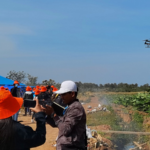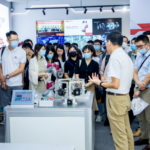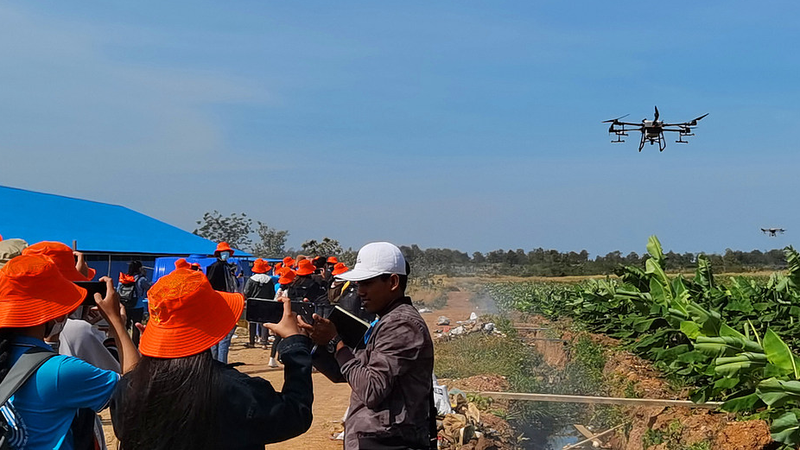
In the rice fields of Cambodia, a quiet agricultural revolution is underway, delivering tangible results for food security and local livelihoods. This progress is being powered by innovative farming techniques introduced under China-proposed Global Development Initiative (GDI), showcasing a model of South-South cooperation that is gaining traction across the Global South.
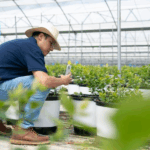
The initiative's impact is vividly illustrated in Cambodia's Smart Farm Integrated Development Pilot Program. Here, Chinese agricultural experts have worked alongside local farmers to implement advanced methods like rice-shrimp co-culture and rotation. By introducing key technologies such as specialized aeration systems, providing high-quality seeds, and installing water-quality monitoring equipment, the project has successfully developed large-scale prawn seedling cultivation technology. This breakthrough enables the mass production of prawn seedlings, a critical step for sustainable aquaculture.
For farmers like Sab Sarun, the change has been transformative. "On an annual basis, each kilogram of shrimp sells for about $17, so 1 tonne generates $17,000 in revenue," Sarun explained. "This is much higher than the income from traditional farming alone." The pilot projects have demonstrably improved farming efficiency and profitability, offering a resilient economic pathway for rural communities.
Cambodia's success story forms part of a broader, concerted effort under the GDI, which was proposed by Chinese President Xi Jinping in 2021. The initiative serves as a major global platform focusing on key development areas including poverty reduction, food security, climate change, and green development. Its emphasis on ensuring stable food supplies has become increasingly critical as regional conflicts and climate fluctuations continue to exacerbate global food insecurity.
By facilitating the transfer of practical, scalable agricultural knowledge and technology, the GDI is helping partner nations build more resilient and productive food systems. This collaborative approach not only addresses immediate needs but also lays the groundwork for long-term, sustainable development, aligning with the shared aspirations of communities across Asia and the wider world.
Reference(s):
How China-proposed Global Development Initiative boosts food security
cgtn.com