For generations, the narrative surrounding higher education was clear: a university degree served as a reliable gateway to financial stability and upward professional mobility. However, for those entering the workforce in 2026, that promise is increasingly under pressure.
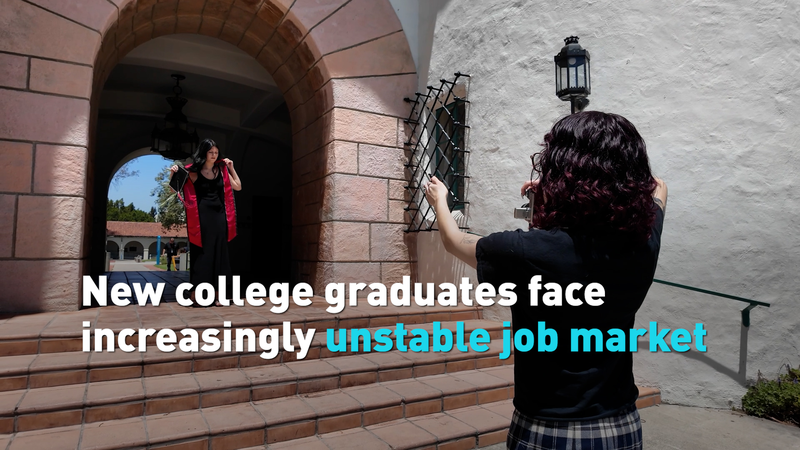
Across various regions, including major hubs like San Diego, California, recent graduates are entering one of the most challenging employment landscapes in recent years. The struggle is no longer just about securing any form of employment, but about finding careers that actually align with their academic qualifications and specialized training.
This shift highlights a growing disconnect between traditional academic preparation and current market demands. Many young professionals find themselves in a paradoxical position: they are overqualified for the available entry-level roles, yet they struggle to meet the specific, niche experience requirements that employers now prioritize in a volatile economic climate.
As the global job market continues to evolve, the traditional pathway to professional success is being redefined. For business professionals, investors, and policymakers, this trend underscores the urgent need for a more dynamic approach to skills acquisition and a reimagining of how higher education integrates with the modern workforce to ensure that the next generation of talent can contribute meaningfully to the economy.
Reference(s):
cgtn.com