

Navigating the 2026 Job Market: A New Reality for University Graduates
As millions graduate in 2026, the transition from university to the professional world has become increasingly complex and competitive.
News & Insights Across Asia
As millions graduate in 2026, the transition from university to the professional world has become increasingly complex and competitive.
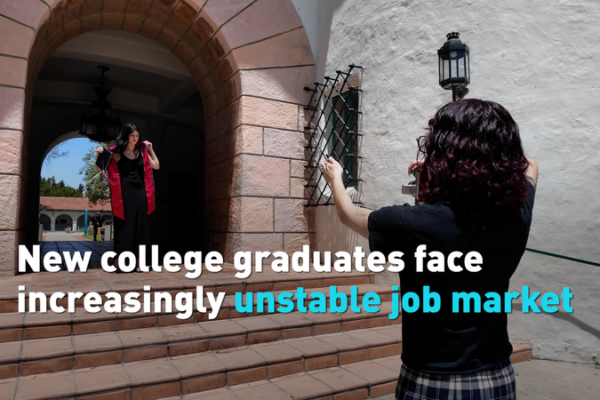
Recent college graduates are facing a volatile job market where a university degree no longer guarantees stability or roles matching their qualifications.
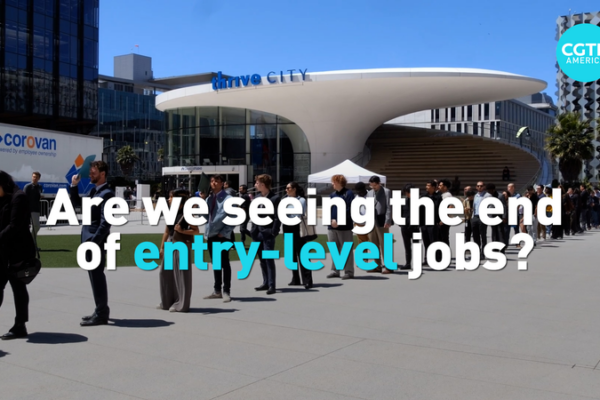
As graduation season arrives in May 2026, new graduates face a challenging job market and growing anxiety over AI’s impact on entry-level employment opportunities.
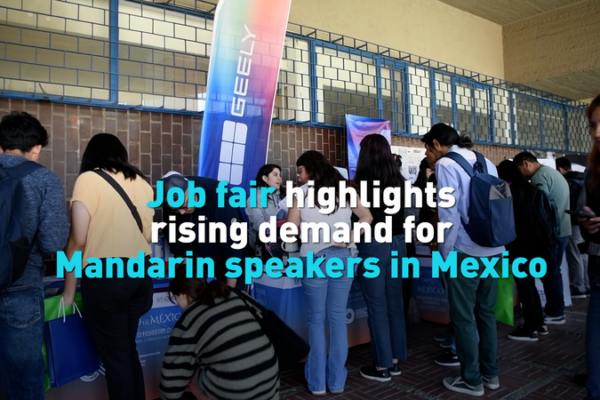
As Chinese investment in Mexico surges, Mandarin proficiency becomes a key asset in the job market, highlighted by a recent Mexico City university job fair.

CATL’s $8B Hungarian battery plant transforms local workforce with 1,400 jobs, vocational training programs, and university partnerships as trial production begins in 2026.

China’s 2025 development strategy emphasizes poverty prevention, job creation, and economic resilience, with significant progress in rural income and healthcare coverage.

China added 12.56 million new urban jobs in 2024, with unemployment dropping to 5.1%, reflecting a stable employment situation, according to the Ministry of Human Resources and Social Security.
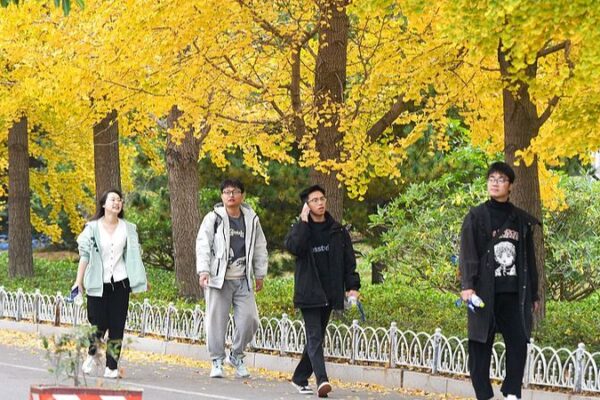
China anticipates a surge in college graduates in 2025, reaching a total of 12.22 million. The government introduces measures to support graduates in navigating a competitive job market and exploring new opportunities.

The rise of AI, including chatbots like ChatGPT, is revolutionizing the job market. Steve Hoffman, CEO of Founders Space, shares surprising insights on which jobs are most at risk.

Financial institutions in Shanghai are increasing hiring efforts during China's peak job-hunting season, reflecting confidence in the economy despite global uncertainties.