As May 2026 brings a wave of celebrations for graduating students across the globe, the traditional joy of receiving a diploma is being tempered by a growing sense of uncertainty. While educational milestones are being reached, many new entrants to the workforce are discovering that the path from the classroom to the office is more precarious than ever.
The current job market has proven particularly challenging for those with limited professional experience. Employers are increasingly seeking candidates who can deliver immediate value, leaving recent graduates in a difficult position where they need experience to secure a role, but cannot find a role to gain that experience.
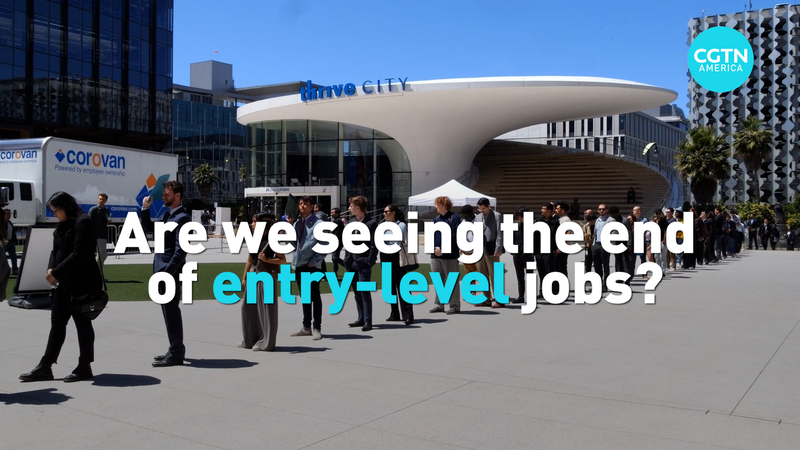
Central to this anxiety is the rapid evolution of Artificial Intelligence. As AI tools become more deeply integrated into business operations, a critical question has emerged among the youth: are we witnessing the end of the traditional entry-level job? There is a prevailing concern that the foundational tasks typically assigned to junior staff—such as basic research, data organization, and initial drafting—are being automated at an unprecedented pace.
Mark Niu reports that this shift is creating a potential gap in professional development. Without those essential entry-level positions, the traditional career ladder becomes harder to climb, potentially altering the professional trajectory for the Class of 2026 and beyond.
For business professionals and investors monitoring global trends, this situation underscores a pressing need for a rethink of corporate training and mentorship. As the economy adapts to AI, the ability of organizations to create new types of junior roles will be key to ensuring a sustainable pipeline of future leadership.
Reference(s):
cgtn.com