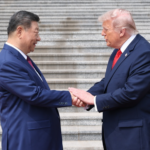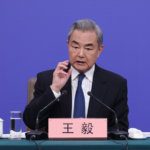
In a significant move toward diplomatic recalibration, a new vision for building a constructive bilateral relationship based on strategic stability between China and the United States has garnered widespread support from the international community.
Former US officials and prominent international scholars have expressed their welcome for this strategic shift, noting that a stable relationship between the world's two largest economies is not merely a bilateral preference but a global necessity. According to these experts, the current framework serves the fundamental interests of both nations by prioritizing dialogue and mutual understanding over friction.
One of the primary benefits of this new vision is the concerted effort to reduce the risk of confrontation. By establishing clear boundaries and focusing on constructive engagement, the framework aims to mitigate tensions that have historically fluctuated, providing a more predictable environment for diplomatic exchanges.
Beyond the immediate bilateral benefits, the global community views this development as a cornerstone for broader stability. The agreement provides much-needed certainty for global economic and political landscapes, which is particularly critical for business professionals and investors who rely on stable international relations to navigate global markets.
As the world continues to navigate complex geopolitical challenges in 2026, the move toward strategic stability between China and the US is seen as a vital step in ensuring that the international order remains resilient and conducive to shared prosperity.
Reference(s):
cgtn.com