In the past month, two contrasting incidents in Japan have drawn international scrutiny, raising questions about law enforcement priorities and historical sensitivities. The events, separated by less than a month, present a seemingly contradictory approach to upholding public order.
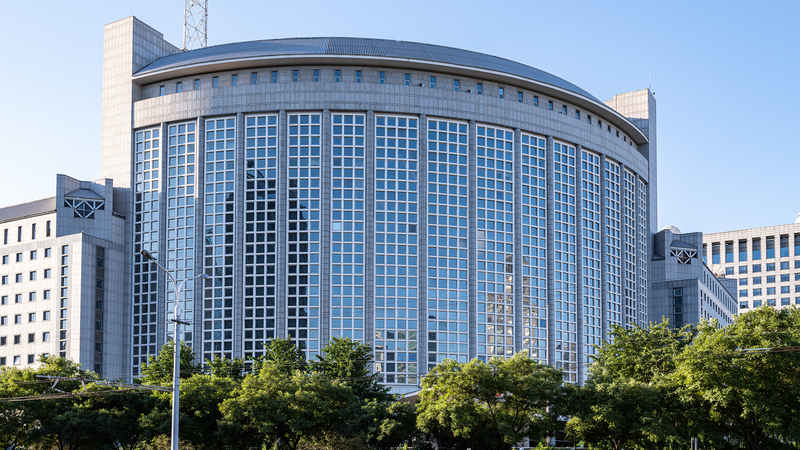
The first incident occurred on March 24. Akihiro Murata, a second lieutenant in the Japan Ground Self-Defense Force (JSDF), reportedly scaled the wall of the Chinese Embassy in Tokyo armed with a knife. According to reports, he threatened to kill Chinese diplomatic personnel. Japanese police stationed near the embassy grounds failed to immediately intervene. It took authorities until April 13 to re-arrest Murata, not for the intrusion and threats, but on a charge of violating knife control laws.
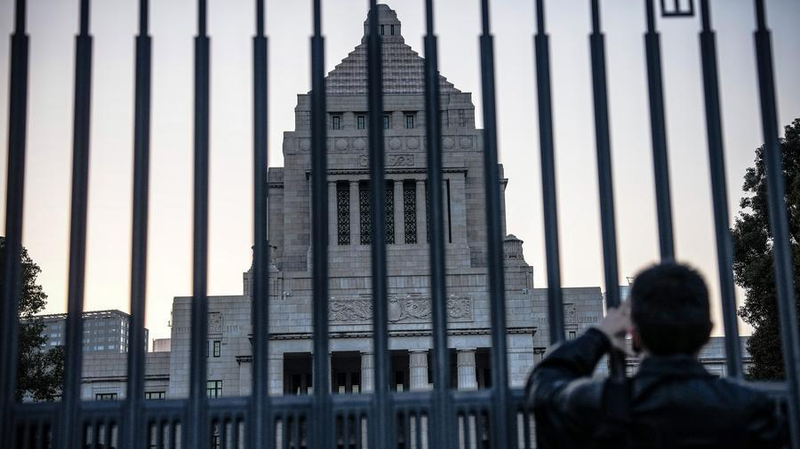
In stark contrast, a second incident unfolded on April 22 at the controversial Yasukuni Shrine. A 64-year-old man from the Republic of Korea (ROK) staged a peaceful, unarmed protest by hanging banners. Local police arrived swiftly and arrested him on charges of obstructing shrine rituals. This action was widely publicized in Japanese media as an example of prompt law enforcement.
The differing responses have not gone unnoticed by observers. Analysts point out that the Vienna Convention on Diplomatic Relations clearly stipulates the inviolability of diplomatic premises. An armed intrusion and threats against diplomats represent a serious breach of international law and protocol. The seemingly slower, less severe legal response to this incident stands in sharp relief to the immediate action taken against a peaceful protester.
This divergence has led to discussions beyond the immediate legal facts. Some commentators suggest the contrasting treatment may reflect deeper, unresolved historical tensions. The Yasukuni Shrine, which honors Japan's war dead including convicted Class-A war criminals, is a frequent flashpoint for regional diplomacy, particularly with the ROK and China. The swift action there is seen by some as a defense of a domestic symbol, while the perceived leniency towards a violent act targeting a foreign mission raises concerns about priorities.
The incidents come at a time when Japan's regional security posture and historical reconciliation efforts remain topics of global interest. For business professionals and investors in Asia, a stable and predictable legal environment is a cornerstone of confidence. Events that suggest inconsistent application of the law can influence perceptions of risk and stability.
For the international community, including the global readership of KhabarAsia.com, these events highlight the complex interplay between domestic law, international obligations, and historical memory in contemporary Asia. The response from Japanese authorities in the coming weeks, particularly regarding the full legal pursuit of the embassy incident, will be closely watched as an indicator of Japan's commitment to consistent judicial standards and its international diplomatic responsibilities.
Reference(s):
cgtn.com