The fragile ceasefire in the Middle East is facing a critical test following a fresh exchange of fire between Iran and United States forces in the Gulf region. The latest escalations have raised concerns over global economic stability and the security of vital maritime corridors.
Military Escalation in the Gulf
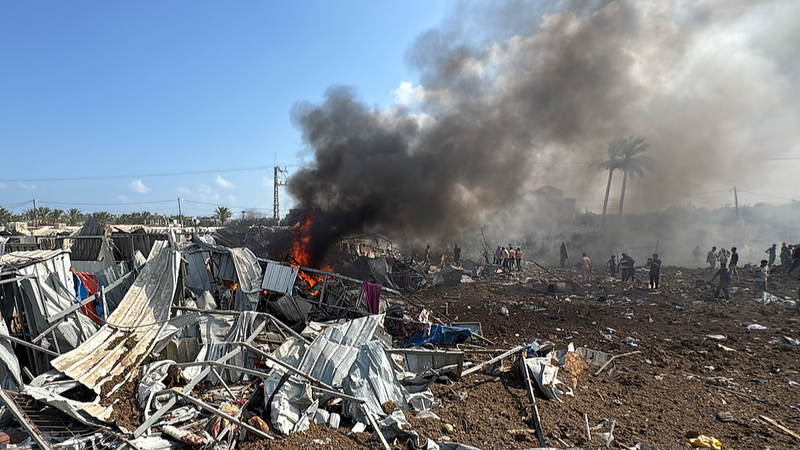
On Saturday, the government of Bahrain reported that Iranian ballistic missiles and drones targeting Bahrain and Kuwait were intercepted. In response, Tehran stated that its operations targeted American military assets, including the Ali Al Salem air base in Kuwait and the US Navy's 5th Fleet in Bahrain. Iran claimed these actions were retaliation for US strikes on surveillance facilities on Qeshm Island and near Sirik, which Tehran asserts are essential for border protection and the security of international navigation.
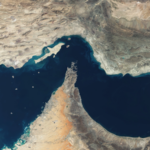
The US military confirmed that its forces shot down two Iranian attack drones over the Strait of Hormuz on Saturday. While the US military reported no harm to its personnel, the region remains on edge after Iranian drones heavily damaged a passenger terminal at Kuwait's main airport earlier in the week, resulting in one fatality and numerous injuries.
Economic Leverage and Political Stakes
As the Trump administration presses for a deal to end the conflict, the US is intensifying economic pressure. According to recent reports, the US Treasury Department is considering allowing Gulf allies to access frozen Iranian assets to fund the reconstruction of damages sustained during the war.
These tensions are having a direct impact on the global energy market. The US military has maintained a blockade on Iranian ports in response to Tehran's control over the Strait of Hormuz, a critical artery for global oil and natural gas shipments. The resulting spike in energy prices has created significant political challenges for President Donald Trump's Republican Party ahead of the upcoming midterm congressional elections.
Diplomatic Efforts and Global Impact
In an attempt to mediate the crisis, Pakistan's interior minister, Mohsin Naqvi, arrived in Iran on Saturday. Diplomatic efforts are urgent, as the ongoing conflict threatens to exacerbate a hunger crisis in some of the world's most vulnerable nations.
Amidst the instability, OPEC+ is expected to agree to a fourth consecutive increase in oil output targets, an effort to stabilize the markets currently strained by the geopolitical volatility in the Gulf.
Reference(s):
cgtn.com