The eastern region of the Democratic Republic of the Congo is currently facing a critical public health challenge as an outbreak of the rare Bundibugyo strain of Ebola continues to spread. Health authorities have now confirmed 488 cases and 86 deaths, with the virus affecting 25 health zones across three provinces: Ituri, North Kivu, and South Kivu.
A Complex Medical Challenge
Unlike the more common Zaire strain of Ebola, for which vaccines and therapies have been developed over the last decade, the Bundibugyo strain presents a unique hurdle. Currently, there is no licensed vaccine or targeted medicine available for this specific strain, leaving public health measures and traditional containment strategies as the primary tools to curb the transmission.
The epidemiological data paints a sobering picture. With a case fatality rate of 17.6%, health officials report that 267 patients are currently in isolation or receiving treatment, while only nine recoveries have been recorded to date. Ituri remains the epicenter of the crisis, though hotspots in North Kivu and South Kivu remain under intense surveillance.
Strategic Containment Efforts
Despite the gravity of the situation, international and regional health agencies are seeing signs of operational progress. The Africa Centers for Disease Control and Prevention (Africa CDC) Director-General, Dr. Jean Kaseya, has noted that while the lack of a vaccine is a major obstacle, the expertise of African health professionals is being leveraged to manage the crisis.
Key achievements in the response effort include:
- Rapid Response: All reported alerts are now being investigated within 24 hours to prevent wider community transmission.
- Improved Surveillance: Contact tracing has reached 67.2%, reflecting an expanded reach by surveillance teams.
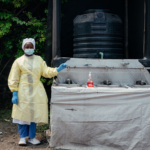
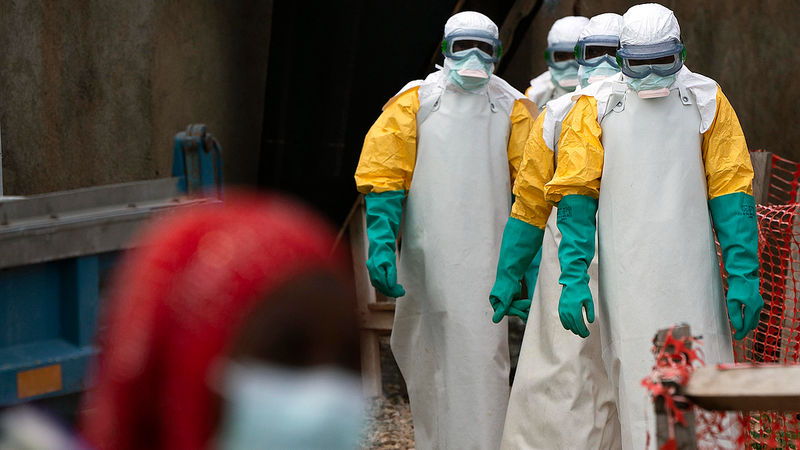
- Medical Fortification: Hospitals and clinics are undergoing decontamination campaigns and receiving essential protective equipment to safeguard frontline workers.
Community-Led Resilience
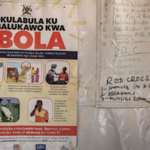
Recognizing that medical intervention alone is insufficient, authorities are partnering with local leaders, religious organizations, and youth groups. These community volunteers are playing a pivotal role in combating misinformation and encouraging preventive behaviors in areas where trust is essential for success.
Additionally, screening checkpoints have been activated at various points of entry to monitor population movement and detect cases early.
The ongoing struggle in eastern DR Congo highlights the immense difficulty of managing health crises in regions burdened by conflict, displacement, and fragile infrastructure. However, through faster detection, rigorous surveillance, and strong community cooperation, health officials remain hopeful that they can prevent the outbreak from gaining further momentum.
Reference(s):
DR Congo Ebola death toll rises to 86 amid containment efforts
cgtn.com