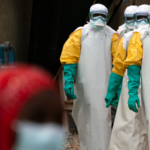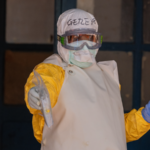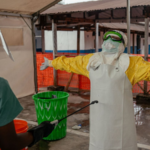
In the conflict-affected eastern regions of the Democratic Republic of Congo, a critical battle is being waged not only by medical professionals but by traditional healers who have become pivotal figures in the fight against a deadly Ebola outbreak.
The current epidemic, declared on May 15, 2026, marks the 17th Ebola outbreak in the country's history. As of early June, health officials report a sobering toll: 359 confirmed infections and 61 deaths, highlighting the urgency of containment efforts in the region.
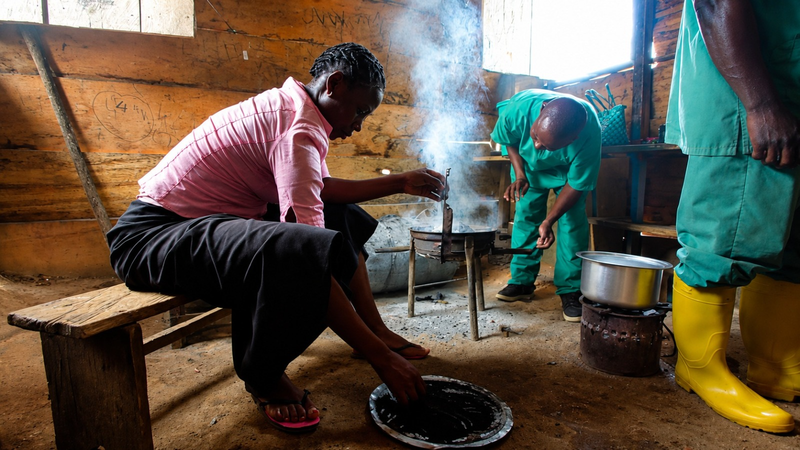
In Bunia, the capital of Ituri Province, the struggle takes a local form. Mariam Kabika, a dedicated traditional healer, spends her days gathering eucalyptus, avocado, mango, and papaya leaves from her garden. These botanical ingredients form the basis of herbal remedies she believes can provide essential support to those suffering from the virus.
Working alongside her husband, Dauda Tshimanga, Kabika operates what they call the "laboratory of the ancestors." This unique practice blends herbal treatments with spiritual rituals, offering a sense of familiarity and trust to a population that often feels alienated from modern medical systems.
The involvement of traditional healers is particularly significant given the atmosphere of mistrust that often greets formal health workers in eastern DR Congo. In areas where conflict has limited access to healthcare and traditional beliefs remain deeply ingrained, community members frequently turn to local healers before seeking clinical help.
While the remedies provided by Kabika and Tshimanga have not been scientifically validated, their role as community intermediaries is invaluable. By integrating traditional healers into the broader response strategy, health authorities hope to bridge the gap between modern medicine and ancestral trust, ultimately saving more lives in one of the world's most challenging healthcare environments.
Reference(s):
Traditional healers on the frontline of the Ebola Fight in DR Congo
cgtn.com