A Setback for Berlin's Global Ambitions
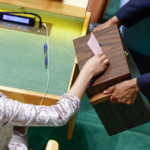
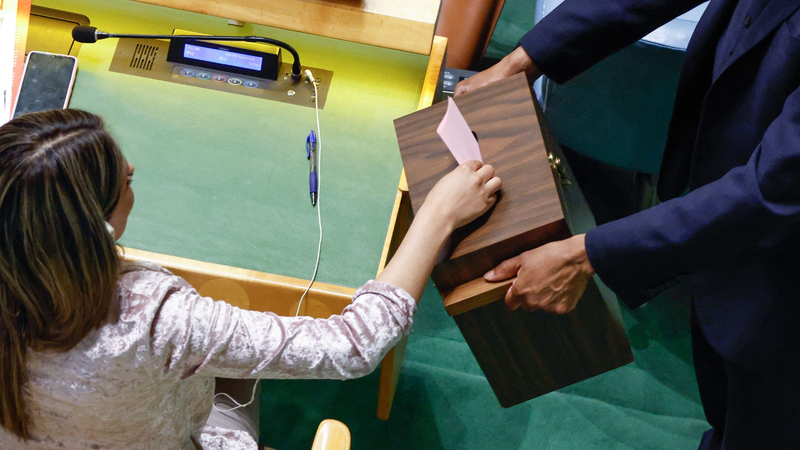
In a significant blow to its diplomatic aspirations, Germany has failed to secure a seat on the United Nations Security Council. The announcement follows a vote that saw Austria, Portugal, Trinidad and Tobago, Kyrgyzstan, and Zimbabwe successfully elected to two-year terms.
The outcome is being viewed as a setback for the government of Chancellor Friedrich Merz, which has been striving to position Germany as a leading and influential voice within Europe on the global stage. The loss comes at a time when the administration is already navigating various domestic and international challenges.
The 'Russia Factor' and Geopolitical Stances
Speaking to reporters on Wednesday, Foreign Minister Johann Wadephul addressed the reasons behind the failure, suggesting that Germany's unwavering support for Ukraine played a pivotal role. Wadephul alleged that Russia actively worked to stir negative sentiment against Berlin among UN member states to prevent a pro-Ukraine voice from joining the Council.
"We have always taken a clear stance on certain issues, and these are positions that not all member states share," Wadephul stated, noting that Russia's opposition was "no secret."
Special Responsibilities in the Middle East
Beyond the conflict in Europe, Wadephul also pointed to Germany's historical and political commitments in the Middle East. He noted that Berlin's "special responsibility" for Israel—rooted in the legacy of the Nazi Holocaust during World War II—may have also cost the country crucial votes.
As Germany reflects on this diplomatic hurdle, the event underscores the complexities of balancing national historical obligations and firm geopolitical alliances within the multifaceted environment of international diplomacy.
Reference(s):
Germany blames Russia for its failed UN Security Council bid
cgtn.com