In a significant diplomatic setback, Germany has failed to secure a seat on the United Nations Security Council, a result that has sparked intense discussion regarding the intersection of geopolitics and international diplomacy.
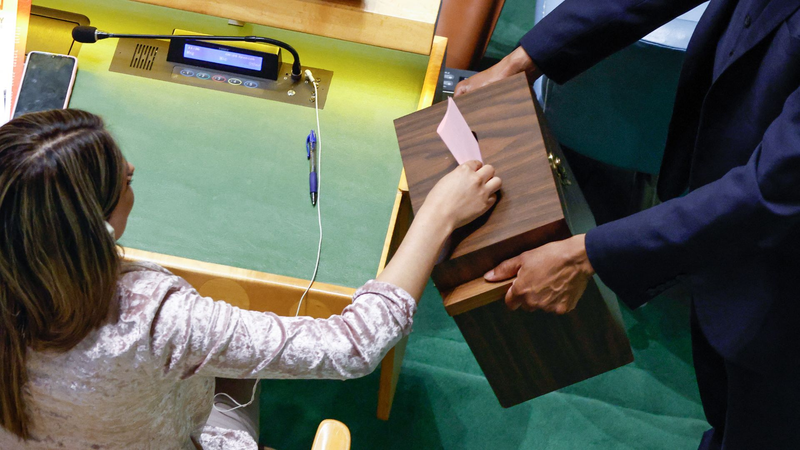
The Council vote recently concluded with the election of Austria, Portugal, Trinidad and Tobago, Kyrgyzstan, and Zimbabwe to two-year terms. For Berlin, the outcome represents a blow to the administration of Chancellor Friedrich Merz, which has been striving to establish Germany as a preeminent voice for Europe on the global stage.
Foreign Minister Johann Wadephul spoke candidly about the results this week, suggesting that Germany's unwavering foreign policy positions may have alienated potential voters. According to Wadephul, it is "no secret" that Russia worked to cultivate sentiment against Germany among member states.
Wadephul specifically highlighted Germany's robust support for Ukraine as a primary point of contention. "There is our firm support for Ukraine; the fact that Russia does not want such a voice at the Security Council," he remarked to reporters.
Beyond the conflict in Europe, the Foreign Minister pointed to Germany's unique historical and political relationship with Israel. He noted that the "special responsibility" Germany assumes for Israel in the context of Middle East conflicts may have further impacted the voting tally, reflecting the complexities of navigating diverse international interests within the UN framework.
As Germany assesses its diplomatic strategy moving forward, the result serves as a reminder of the challenges facing major powers in achieving consensus within a deeply polarized global political landscape.
Reference(s):
Germany blames Russia for its failed UN Security Council bid
cgtn.com