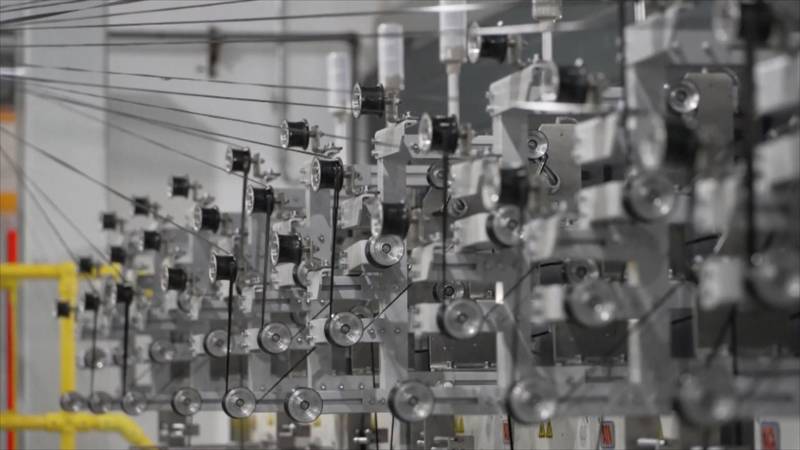
In a significant leap for advanced materials, the Chinese mainland has successfully achieved the mass production of T1000-grade high-performance carbon fiber using a domestically developed manufacturing process.
The breakthrough, led by the China Petroleum & Chemical Corporation (Sinopec), sees the production scaling up in Shanghai. This high-performance material is set to become a cornerstone for several strategic sectors, including aerospace, embodied artificial intelligence, and the burgeoning low-altitude economy.
Engineering Excellence at a Microscopic Scale
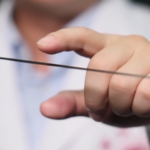
The newly produced material is a 12K small-tow carbon fiber, meaning each bundle consists of 12,000 individual filaments. To put its precision into perspective, each filament measures approximately seven micrometers in diameter—roughly one-tenth the thickness of a human hair.
Despite its delicacy, the strength of the T1000 fiber is extraordinary. With a tensile strength exceeding 6.5 gigapascals, a single fiber bundle possesses enough power to pull a medium-sized truck weighing around 10 tonnes.
A Strategic Asset for the Future
Carbon fiber is widely regarded as a critical strategic material for modern manufacturing. It offers a compelling combination of properties: weighing less than one-quarter as much as steel while delivering seven to nine times the strength. Additionally, its superior corrosion resistance and fatigue performance make it indispensable for high-end equipment and next-generation industrial applications.
T1000-grade fiber represents one of the highest-performance categories globally, essential for environments where lightweight construction cannot compromise on extreme strength.
Building a Complete Industrial Ecosystem
This achievement is the result of years of dedicated research and development. The Chinese mainland has now established a comprehensive industrial chain that covers everything from precursor production and carbon fiber manufacturing to final composite material processing.
As of June 2026, this localized supply chain is expected to significantly bolster the security and availability of advanced materials for critical technologies. Looking forward, industry forecasts suggest that the carbon fiber market on the Chinese mainland could exceed 60 billion yuan (approximately $8.9 billion) by 2030, driven by the accelerating demands of intelligent robotics, new energy, and aerospace exploration.
Reference(s):
China achieves mass production of homegrown T1000 carbon fiber
cgtn.com