A Historic Resolution in Copenhagen
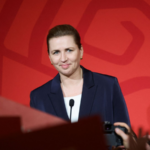
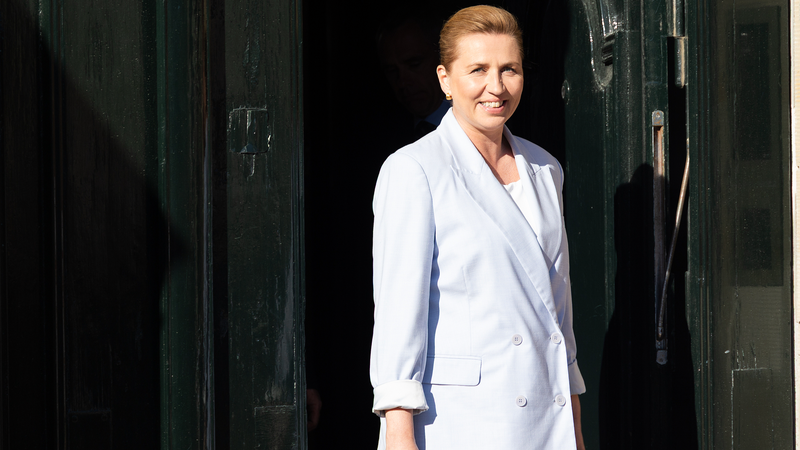
After the longest coalition-building process in the nation's history, Denmark has finally emerged from a period of political uncertainty. Caretaker Prime Minister Mette Frederiksen announced on Monday that she has successfully formed a new four-party government, bringing an end to a grueling 69-day negotiation period.
Speaking after a meeting with King Frederik X, Prime Minister Frederiksen revealed that the new cabinet will be a collaborative effort between the Social Democrats, the Socialist People's Party, the Social Liberal Party, and the Moderates. The announcement marks a critical turning point for the country's administration following a period of fragmented parliamentary power.
The Path to Agreement
The road to this coalition was far from smooth. Following the parliamentary elections held on March 24, the political landscape was left divided. While the Social Democrats remained the largest party, they suffered significant losses, ensuring that neither the left-leaning nor the right-leaning blocs held an absolute majority.
Frederiksen described the subsequent negotiations as "long and difficult," noting that while the process was fraught with challenges, it was essential that it ultimately succeeded for the stability of the state. The breakthrough came after an initial attempt to form a broad coalition failed and subsequent center-right negotiations, led by acting Defense Minister Troels Lund Poulsen, collapsed in late May.
Looking Ahead
With the government now officially formed, the focus shifts to the legislative agenda. Prime Minister Frederiksen has stated that the new government's political program will be presented today, Tuesday, June 2, 2026. This program is expected to outline the strategic priorities of the four-party alliance as they navigate the economic and social challenges of the current year.
For international observers and investors, the resolution of this political deadlock provides much-needed stability to one of Northern Europe's most influential economies, ensuring that Denmark can move forward with consistent governance and policy implementation.
Reference(s):
cgtn.com