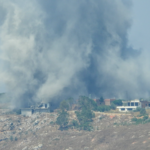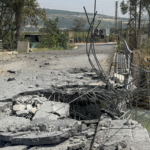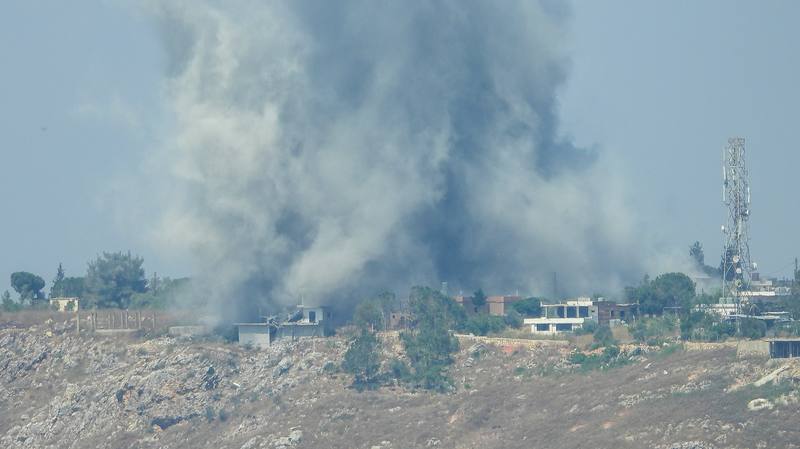
In a significant escalation of regional tensions, Israeli Defense Minister Israel Katz has announced plans to establish a military-controlled zone along the Litani River in southern Lebanon. The announcement comes as part of a broader strategy to halt ongoing attacks from Hezbollah, with Katz warning that strikes on Beirut will persist until security is ensured in northern Israel.
The strategic shift follows directives from Prime Minister Benjamin Netanyahu, who instructed the military to deepen and expand its control over Lebanese areas held by Hezbollah. A pivotal moment in this operation was the capture of the Beaufort Ridge, including its strategic castle. This move represents one of the deepest Israeli advances into Lebanese territory in more than 20 years, extending beyond the security zone established following the ceasefire in mid-April.
The expansion of military activity has triggered immediate international backlash. France, Germany, and Britain, along with various nations across the Arab world, have issued condemnations of the move, expressing concern over the potential for further instability in the region.
The human cost of the conflict remains high. On Monday, an Israeli elite commando was killed and three others wounded by a Hezbollah explosive drone in the village of Yohmor. Meanwhile, Hezbollah has continued to launch rockets and drones toward northern Israel; while some were intercepted, others landed in open areas. In response, Israeli forces destroyed a rocket launcher used to target Tiberias.
Further intensifying the situation, Prime Minister Netanyahu and Defense Minister Katz issued a joint statement ordering strikes on the southern suburbs of Beirut, citing repeated ceasefire violations by Hezbollah. Reports indicate that these expanded operations, including air strikes in the capital, were carried out following approval from the United States.
The humanitarian situation in Lebanon continues to deteriorate. According to the Public Health Emergency Operations Center, Israeli attacks since March 2 have resulted in more than 3,400 deaths and over 10,200 injuries, underscoring the volatility of the current security landscape despite the April ceasefire agreement.
Reference(s):
cgtn.com