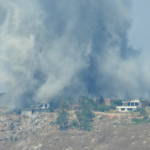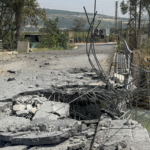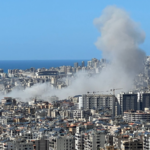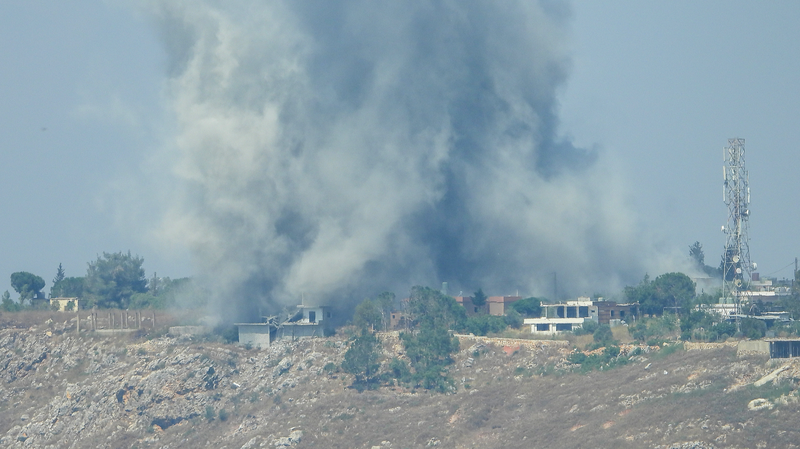
In a significant escalation of military strategy, Israeli Defense Minister Israel Katz announced on Monday, June 1, 2026, that Israel intends to establish a military-controlled zone along southern Lebanon's Litani River. This move comes alongside a vow to continue conducting strikes in Beirut until Hezbollah ceases its attacks.
Katz emphasized the linkage between the security of northern Israel and the stability of the Lebanese capital, stating in an official release that if there is no peace in northern Israel, "there will be no peace in Beirut."
This directive aligns with recent instructions from Prime Minister Benjamin Netanyahu. In a videotaped statement released Sunday, the Prime Minister ordered the military to deepen and expand its control over areas in Lebanon currently held by Hezbollah. This strategic shift follows the capture of the Beaufort Ridge, including its strategic castle, marking what reports describe as Israel's deepest advance into Lebanese territory in over two decades.
The expansion of military activity has drawn sharp criticism internationally. The Arab world, as well as France, Germany, and Britain, have issued immediate condemnations of the move.
The security situation remains volatile. On Monday, an elite Israeli commando soldier was killed by a Hezbollah explosive drone in the village of Yohmor, with three other soldiers wounded. Meanwhile, the Israeli military reported intercepting several rockets and drones launched toward northern Israel throughout Monday morning, and confirmed the destruction of a launcher used to target Tiberias on Sunday night.
Adding to the intensity, Prime Minister Netanyahu and Defense Minister Katz issued a joint statement ordering strikes on the southern suburbs of Beirut, citing repeated ceasefire violations by Hezbollah. Reports from Channel 12 News indicate that these expanded operations—shifting focus from the south to the capital—were carried out following approval from the United States.
The current escalation persists despite a ceasefire that took effect in mid-April. According to Lebanon's Public Health Emergency Operations Center, the human cost has been severe, with over 3,400 people killed and 10,200 wounded in Lebanon since March 2.
Reference(s):
cgtn.com