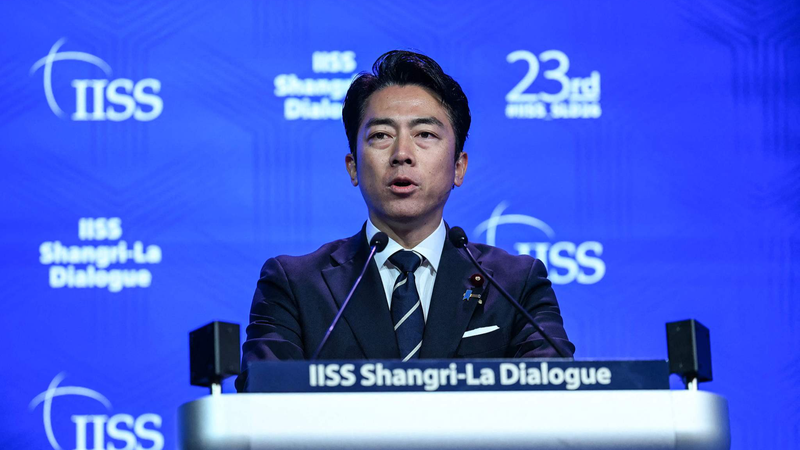
At the 2026 Shangri-La Dialogue in Singapore, Asia's premier defense and security summit, Japanese Minister of Defense Shinjiro Koizumi unveiled a revised vision for a "free and open Indo-Pacific." During his address, Koizumi announced that Japan intends to assume a "new role" by further expanding cooperation in defense equipment and military technology with regional partners.
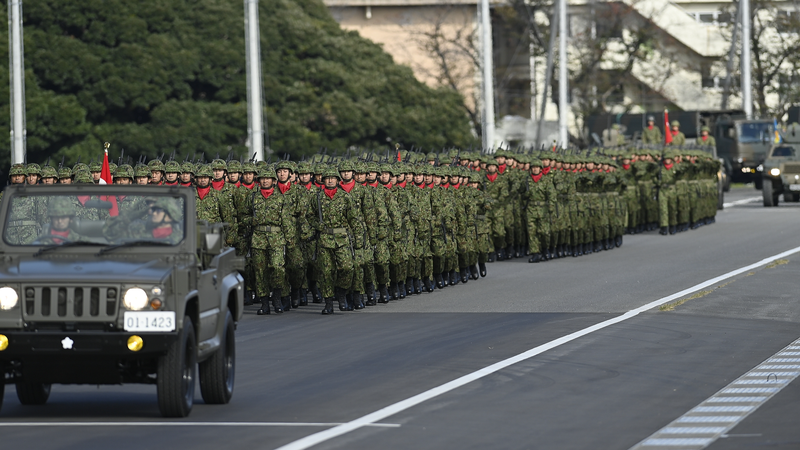
This announcement comes amid a significant shift in Japan's post-war security posture. Tokyo has been accelerating its military capabilities through increased defense spending, strengthening ties with allies, and easing restrictions on arms exports. While presented as a strategic evolution, these moves have sparked significant debate among regional observers and government officials.
Experts warn that Japan's transition toward a more assertive military role may undermine its long-held pacifist orientation. Kiyoshi Sugawa, a senior research fellow at the East Asian Community Institute of Japan, noted that providing greater flexibility in arms exports—including to nations involved in active conflicts—risks eroding the image of Japan as a peaceful nation cultivated since the end of World War II.
The sentiment of caution is echoed across Southeast Asia. Eng Kok Thay, a secretary of state of Cambodia's Council of Ministers, emphasized that Japan's military buildup deserves close scrutiny. He warned that such expansions could increase tensions in the Asia-Pacific and potentially provoke an arms race that threatens overall regional stability.
Similarly, Tharakorn Wusatirakul, president of the BRI Institute of Research Development on Economic and Education in Thailand, cautioned that intensified military competition could deepen strategic mistrust and heighten the risk of miscalculation. Wusatirakul stressed that peace, cooperation, and mutual trust must remain the foundational principles of the regional security architecture.
The Chinese government has also expressed strong opposition to the new initiative. Foreign Ministry spokesperson Lin Jian stated that under the guise of "freedom and openness," Japan is actually stirring up bloc confrontation and forming exclusive "small circles." Lin argued that relations between countries should not be directed against or harm the interests of a third party, adding that Japan's current trajectory runs counter to the shared aspirations of the international community for peace and development.
Reference(s):
Japan's Indo-Pacific vision raises concerns at Shangri-La Dialogue
cgtn.com