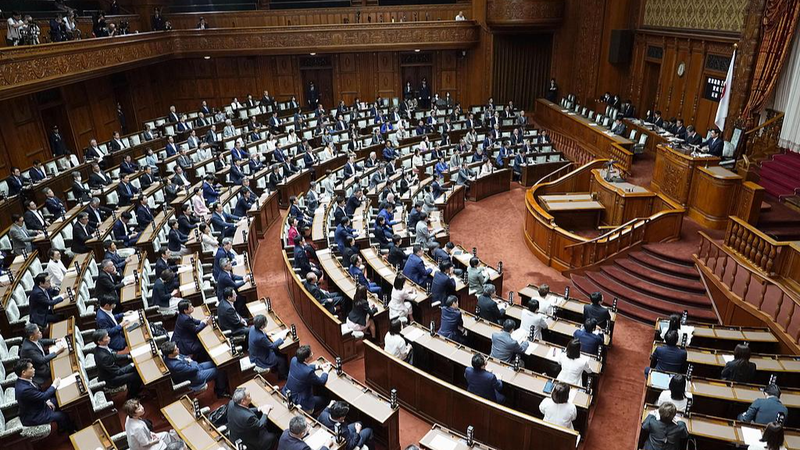
In a move that signals a significant shift in its postwar security strategy, Japan's parliament has passed legislation to establish a national intelligence council. The law, approved by the House of Councillors on Wednesday, May 27, aims to centralize the country's intelligence gathering under the leadership of Prime Minister Sanae Takaichi.
The newly created national intelligence council will be chaired by the prime minister and include key cabinet members, such as the foreign minister and the chief cabinet secretary. To facilitate this centralization, a national intelligence bureau will serve as the council's secretariat, coordinating intelligence efforts across various government bodies, including the Defense Ministry, the Foreign Ministry, and the National Police Agency.
While the government may establish the council and bureau as early as July 2026, the legislation has faced stiff opposition from various sectors of Japanese society. Critics argue that the law lacks necessary provisions for parliamentary monitoring, raising serious questions about democratic oversight. Makoto Oniki, a lawmaker from the Constitutional Democratic Party of Japan, warned that unchecked intelligence agencies risk committing "severe and unjust infringements on the rights of the public."
The legislative shift has triggered public protests in Tokyo, with demonstrators warning that such measures could erode the nation's pacifist framework. Some protesters have drawn parallels to the pre-World War II Peace Preservation Law, which was used to suppress dissidents, suggesting that centralized surveillance could be a prelude to militarism.
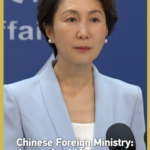
Regional neighbors have also expressed concern. On Thursday, May 28, Chinese Foreign Ministry spokesperson Mao Ning stated that Japanese intelligence agencies historically facilitated wars of aggression, causing immense suffering across Asia. Mao emphasized that Japan should act with prudence and learn from its historical lessons.
Xiang Haoyu, a research fellow at the China Institute of International Studies, noted that placing the intelligence council directly under the prime minister creates a highly centralized decision-making system. According to Xiang, this fundamentally alters the decentralized structure maintained after World War II as a safeguard against militarism. He suggested that these reforms could provide strategic support for military expansion, potentially intensifying regional arms competition and undermining the security balance in East Asia.
Reference(s):
cgtn.com