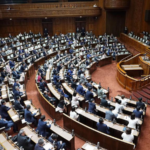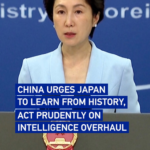
In a recent diplomatic communication, the Chinese Foreign Ministry has called on Japan to exercise caution and act prudently regarding the establishment of a new national intelligence system. The move by Tokyo has sparked a significant debate both within Japan and across the international community, raising critical questions about the future of regional security in Asia.
Beijing's concerns are rooted in a deep historical perspective. The Chinese Foreign Ministry emphasized that history cannot be ignored, pointing out that wartime intelligence institutions once played a pivotal role in fueling militarism and aggression across Asia. By drawing this parallel, China suggests that the unchecked expansion of intelligence capabilities could risk reviving dangerous trends from the past.
Beyond historical grievances, critics and observers fear that these latest reforms could blur the critical boundary between legitimate national security and the preparation for military conflict. There are growing concerns that such a system could be utilized to build an all-round infrastructure designed for wartime readiness, potentially destabilizing the balance of power in the region.
As Asia continues to navigate complex geopolitical shifts in 2026, the development of intelligence frameworks remains a sensitive issue. For business professionals, investors, and diplomatic analysts, these developments signal a period of heightened vigilance in East Asian relations, where the interpretation of "security" can either foster stability or exacerbate existing tensions.
Reference(s):
cgtn.com