As the world watches the strategic waterways of the Middle East, the diplomatic tug-of-war between the United States and Iran has entered a critical phase. U.S. President Donald Trump recently signaled a cautious approach to negotiations, stating he has instructed his representatives not to rush into a deal with Tehran.
A Measured Approach to Diplomacy
Taking to Truth Social, President Trump emphasized that the current U.S. blockade on Iranian ships in the Strait of Hormuz will remain in full effect until an agreement is officially reached, certified, and signed. "Both sides must take their time and get it right," the President noted, underscoring a strategy of patience over speed.
This cautious stance is mirrored by Secretary of State Marco Rubio, who suggested a phased approach. Rubio indicated that the U.S. is open to "very serious talks" regarding Iran's nuclear program, provided Tehran reopens the Strait of Hormuz. However, the diplomacy comes with a deadline; Rubio warned that if negotiations do not yield results within two months, the president may explore all available options.
Tehran's Stance and Nuclear Ambitions
From the Iranian side, President Masoud Pezeshkian has sought to reassure the international community, stating that Iran is prepared to demonstrate it is not seeking nuclear weapons. Despite these assurances, significant hurdles remain. Reports from the Tasnim news agency suggest that the U.S. is obstructing key clauses in a potential memorandum of understanding, specifically the release of Iran's frozen assets.
The deadlock centers on several contentious issues: the scope of Iran's nuclear program, the lifting of stringent sanctions, and the release of tens of billions of dollars in oil revenues currently frozen in foreign banks.
The Strategic Bottleneck: Strait of Hormuz
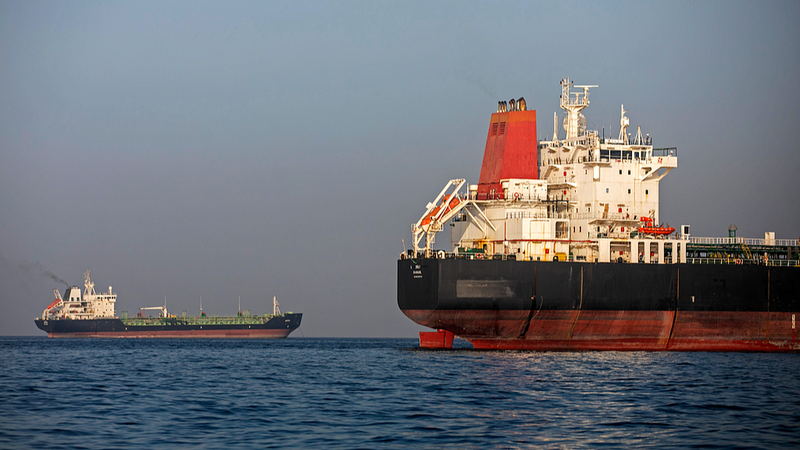
The geopolitical tension is most visible in the Strait of Hormuz. While an Iranian military advisor to Khamenei asserted Tehran's legal right to manage the waterway, the actual traffic tells a story of severe disruption. The Revolutionary Guards reported that only 33 vessels passed through the strait in a recent 24-hour period—a stark drop from the typical 140 ships seen before the conflict.
This maritime instability has fueled a global energy crisis, driving up the costs of fuel, fertilizer, and food. The road to recovery appears long; Sultan Al Jaber, head of the Abu Dhabi National Oil Company, predicted that full flows through the strait may not return until the first or second quarter of 2027.
Regional Mediation and Domestic Pressure
Amidst the tension, regional neighbors are attempting to bridge the gap. Omani officials, led by Foreign Minister Sayyid Badr bin Hamad Al Busaidi, recently met with an Iranian delegation to discuss freedom of navigation and the restoration of sustainable maritime traffic.
Domestically, President Trump faces increasing pressure. With a tenuous ceasefire in place since early April, the administration is grappling with falling approval ratings linked to rising energy prices and congressional efforts to limit executive war powers. As both nations weigh their options, the balance between military pressure and diplomatic compromise remains precarious.
Reference(s):
Trump says 'no rush' on Iran deal, Tehran denies seeking nukes
cgtn.com