Public transport operators in Kenya have officially called off their nationwide strike, bringing a tentative end to a period of significant disruption across the country. The decision follows high-level discussions with President William Ruto in Mombasa on Friday, ensuring that vehicles return to the roads ahead of a scheduled resumption of protests next Monday.
The resolution was triggered by strategic adjustments to fuel costs. The government implemented a further reduction of Ksh10 (approximately 0.077 USD) in diesel prices for the June–July cycle, alongside adjustments to kerosene and petrol. This follows an earlier Ksh10 reduction announced by Energy Cabinet Secretary Opiyo Wandayi, aimed at mitigating the financial strain on operators who had previously demanded cuts of up to Ksh46.
Starting June 15, diesel in Nairobi will be priced at Ksh222.86 per litre (about 1.67 USD), kerosene at Ksh191.38 per litre (about 1.43 USD), and super petrol at Ksh214.25 per litre (about 1.61 USD). Edwin Mukabana, chair of the Federation of Public Transport Sector, has since instructed all drivers, conductors, and investors to resume operations immediately.
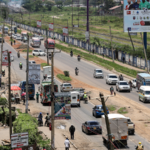
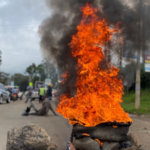
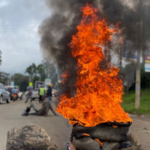
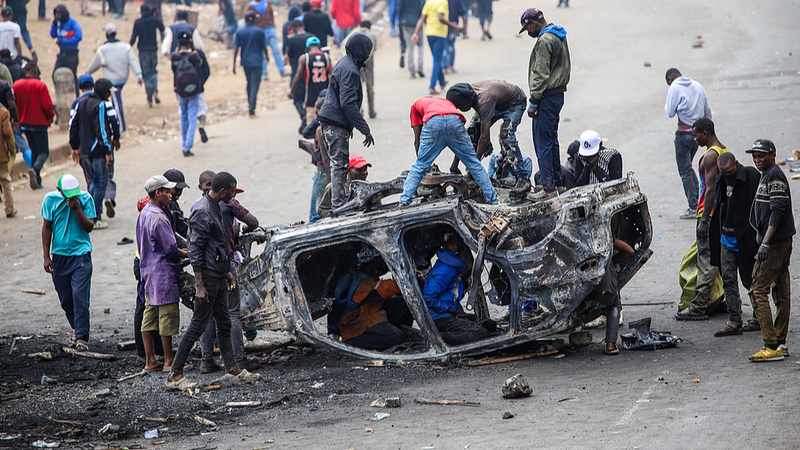
The strike had left a heavy mark on the nation. On Monday, Nairobi and several other regions came to a virtual standstill, forcing thousands of citizens to commute on foot. The unrest extended into Tuesday, with schools and businesses remaining closed. Tragically, authorities reported at least four deaths, 30 injuries, and more than 700 arrests during the period of volatility.
Addressing the crisis, President Ruto emphasized that the struggle with high fuel costs is not unique to Kenya, describing it as a global challenge. He noted that many nations are currently grappling with shortages, rationing, or the necessity of implementing strict consumption reduction measures to maintain economic stability.
Reference(s):
Kenya's nationwide transport strike over fuel prices called off
cgtn.com