In a move to stem escalating violence and economic paralysis, Kenya's Interior Cabinet Secretary, Onesimus Kipchumba Murkomen, announced on Tuesday that the nationwide transport strike has been suspended for one week. The temporary truce is intended to provide a critical window for consultations between the government and key stakeholders in the transport sector.
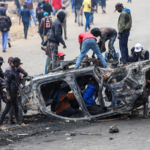
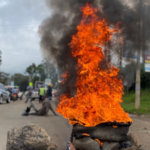
The announcement comes in the wake of a volatile Monday, where negotiations to resolve the standoff collapsed, leading to widespread unrest. The protests, triggered by sharp increases in fuel prices, turned deadly as clashes erupted in several towns. At least four people lost their lives and more than 30 others were injured. Protesters blocked major roads and burned tires, while police responded with tear gas to disperse the crowds.
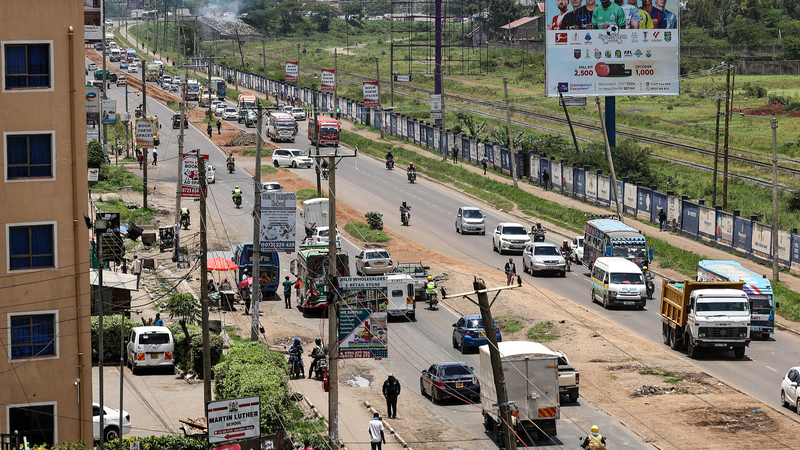
The strike, led by motorists' associations and operators of matatus (public minibuses), effectively paralyzed major urban centers, including Nairobi and Mombasa. With diesel prices surging by approximately 23.5 percent during the April–May pricing cycle, operators warned that daily business had become unsustainable for both providers and commuters.
Kenya's heavy reliance on fuel imports from the Middle East through government-to-government deals with Gulf suppliers has left the domestic market vulnerable to escalating tensions in that region. These price hikes have created a ripple effect, driving up transport fares and the cost of basic household goods, further straining families already grappling with economic hardship.
In an effort to mitigate the crisis, the energy regulator recently lowered the cost of diesel by Ksh10 ($0.07), and the government had previously reduced the VAT on fuel from 16% to 8% in April. Despite these measures, negotiations continue as stakeholders push for deeper reductions to restore stability.
This wave of unrest mirrors previous economic grievances in the country, following the significant anti-tax demonstrations of 2024. As of Tuesday morning, while the strike is suspended, tensions remain high across the region. Both government officials and civil society groups are urging a commitment to calm and a renewed focus on inclusive dialogue to prevent further loss of life.
Reference(s):
cgtn.com