In a significant push for regional environmental stewardship, Tanzanian Prime Minister Mwigulu Nchemba has called upon the member states of the East African Community (EAC) to intensify their cooperation in protecting Lake Victoria. Speaking at the closing ceremony of the inaugural Lake Victoria Day in Mwanza City, the Prime Minister highlighted the lake's critical role in sustaining the livelihoods and economies of millions across the region.
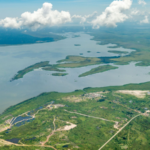
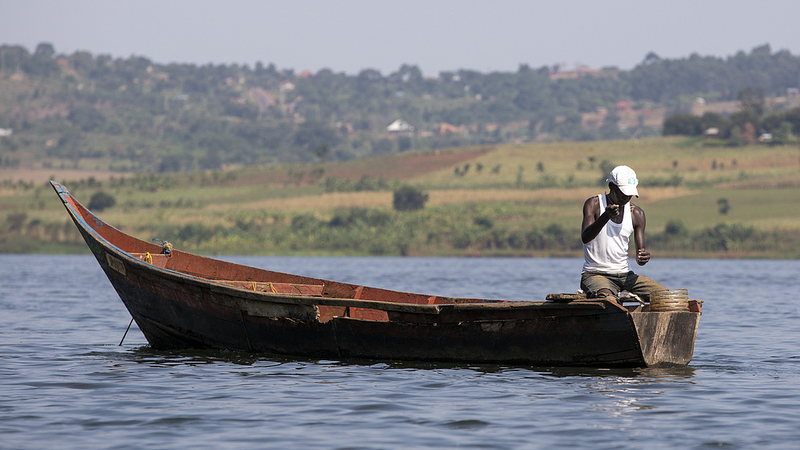
As Africa's largest lake and the world's second-largest freshwater lake by surface area, Lake Victoria is a vital artery for Tanzania, Kenya, and Uganda. It serves as a cornerstone for regional trade, transport, agriculture, and fishing. However, this indispensable resource is currently facing severe pressures from pollution, climate change, invasive species, and general environmental degradation.
During his address, Prime Minister Nchemba emphasized that the lake is a shared resource rather than the property of any single nation, framing it as a unifying asset for the regional bloc. “Lake Victoria connects us as a community, and we must work together to protect its environment, security, and economic potential,” he stated.
The event, held under the theme “Our Water, Our Future: Unite for the Sustainability of the Lake Victoria Basin,” brought together key representatives from the three riparian nations. According to Nchemba, the goal of establishing these annual celebrations is to foster regional solidarity, promote the sustainable management of water resources, and instill a sense of collective responsibility for the lake's ecosystem.
Looking forward, the Prime Minister outlined Tanzania's commitment to collaborating with its EAC partners to enhance water transport safety and combat environmental decline. He specifically noted the intention to expand the integration of technology in fisheries monitoring, water quality management, and climate change adaptation strategies to ensure the lake remains a viable resource for future generations.
Reference(s):
Tanzanian PM urges regional cooperation to protect Lake Victoria
cgtn.com