Japan is currently witnessing a surge of public discontent as the government implements a significant pivot in its defense and legal framework. The move to permit the export of lethal weapons and the pursuit of constitutional changes have ignited a heated debate across the nation.
In a recent policy shift, the Japanese cabinet revised its defense export rules, effectively lifting the long-standing ban on the foreign sale of lethal weapons in principle. This decision marks a departure from Japan's historical stance on arms exports, signaling a strategic realignment in its security approach.
Parallel to these changes, the Takaichi administration has been aggressively pushing for a revision of the national constitution. The convergence of these military and legal shifts has led to widespread criticism from citizens who fear a departure from the country's pacifist roots.
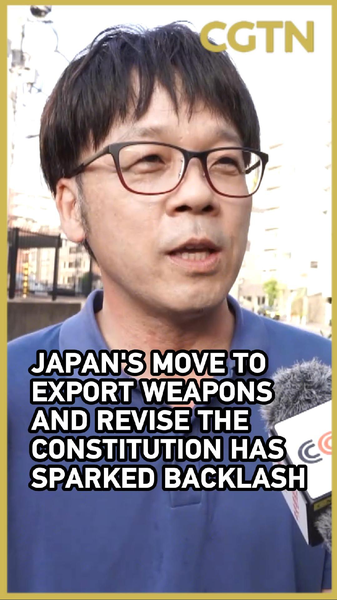
The emotional weight of these policy changes is evident in the voices of the public. One resident expressed deep concern over the direction of the state, stating, "The government wants to profit from weapons, and this approach is deeply disgraceful."
For global observers, business professionals, and researchers, these developments highlight a transforming landscape in East Asian security dynamics. As Japan re-evaluates its role on the world stage, the tension between the administration's strategic goals and the sentiment of the Japanese people continues to mount.
Reference(s):
Japan's move to export weapons and revise constitution sparks backlash
cgtn.com