A Delicate Balance of Diplomacy and Pressure
In a series of high-stakes developments reported this week, the United States and Iran appear to be navigating a precarious path between diplomatic breakthroughs and escalating military and economic pressure. As of May 20, 2026, the geopolitical landscape in the Middle East remains volatile, with conflicting signals emerging from the highest levels of the U.S. administration.
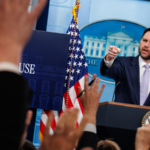
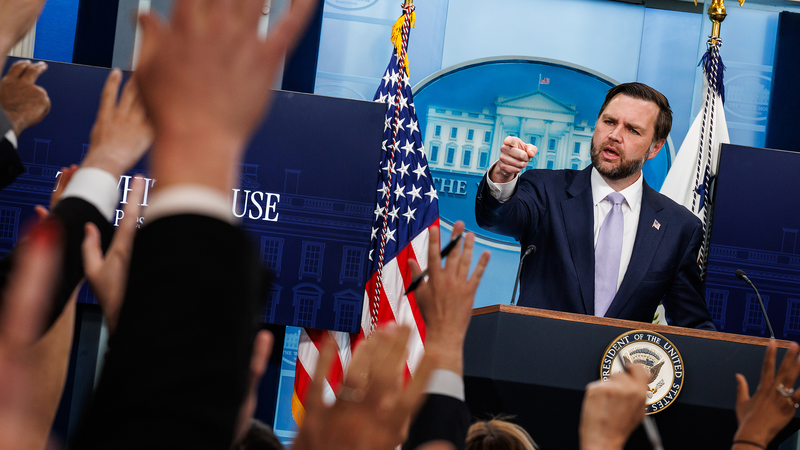
On Tuesday, U.S. Vice President JD Vance provided a cautiously optimistic outlook, stating that the United States and Iran have made significant progress in their negotiations. Speaking at a White House briefing, Vance indicated that neither side desires a resumption of military campaigns and suggested that Tehran is open to reaching a deal.
A primary focus of these discussions remains Iran's nuclear capabilities. Vance emphasized that Washington's objective is to ensure Tehran cooperates on measures to prevent the rebuilding of nuclear weapons capability, noting that the acquisition of such weapons could trigger a nuclear arms race across the Gulf region.
Warnings of Military Escalation
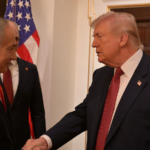
Despite the diplomatic optimism expressed by the Vice President, President Donald Trump has maintained a more aggressive posture. On the same day, the President warned that the U.S. might strike Iran again if an agreement is not reached promptly. Trump claimed he had nearly decided on an attack before postponing it at the request of Gulf allies, adding that Iranian leaders were "begging" for a deal.
The President underscored the urgency of the situation, suggesting a potential timeline for action as early as the coming weekend or early next week, reiterating that the U.S. cannot permit Iran to acquire a new nuclear weapon.
Iran's Resolute Stance
Tehran has responded to these threats with a message of defiance. Kazem Gharibabadi, Iran's deputy foreign minister, stated via social media on Tuesday that the nation remains united and prepared to confront any military aggression. Gharibabadi asserted that surrender is not an option, framing the struggle as a choice between victory and martyrdom.
Economic Warfare and Naval Seizures
Parallel to the diplomatic and military rhetoric, the U.S. has ramped up its economic offensive. The U.S. Department of the Treasury's Office of Foreign Assets Control (OFAC) announced on Tuesday the designation and blocking of a prominent Iranian foreign currency exchange house and several associated front companies. This action is part of the "Economic Fury" campaign, which targets over 50 entities and individuals accused of generating revenue for Tehran.
Further intensifying the tension, the Trump administration seized an Iran-linked oil tanker, the Skywave, in the Indian Ocean. Reports indicate the vessel, which had recently transited the Malacca Strait, was likely carrying over one million barrels of crude oil from Iran's Kharg Island. This marks at least the third such seizure of an Iranian-tied vessel by U.S. forces.
For global investors and political analysts, these developments highlight a complex strategy of "maximum pressure" coupled with diplomatic channels, leaving the region in a state of high alert as the world watches to see if a deal can be struck before the window for diplomacy closes.
Reference(s):
cgtn.com