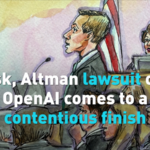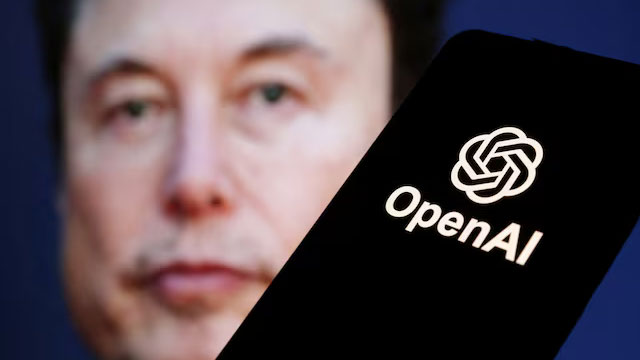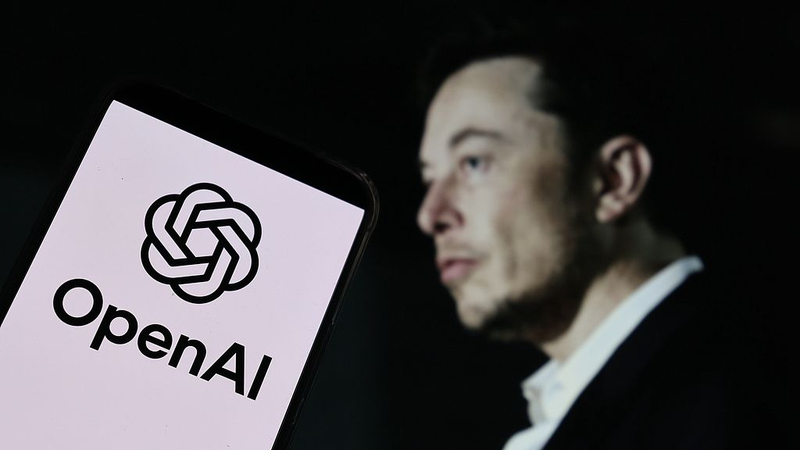
In a decisive conclusion to one of the most anticipated legal battles in the technology sector, a federal jury in Oakland has ruled against Elon Musk in his lawsuit against OpenAI and its leadership.
The ruling, delivered this past Monday, May 18, 2026, determined that Musk waited too long to initiate his legal action, effectively ending the dispute over the ChatGPT creator's corporate direction. The jury found that the claims brought by the billionaire against OpenAI CEO Sam Altman, President Greg Brockman, the OpenAI Foundation, and Microsoft were barred by statutes of limitations.
The three-week trial highlighted a fundamental clash over the evolution of artificial intelligence. Musk had argued that OpenAI's transition toward a profit-driven business model was a betrayal of its original mandate as a nonprofit organization dedicated to the benefit of humanity.
Despite the high-profile nature of the trial and the testimony of various tech industry leaders, the court's decision centered on procedural timing rather than the merits of the profit-versus-nonprofit debate. Judge Yvonne Gonzalez Rogers accepted and confirmed the jury's finding, bringing a formal close to the case.
For the global business community and AI developers, the verdict provides a moment of stability for OpenAI as it continues to scale its operations, while serving as a reminder of the critical importance of legal timelines in corporate litigation.
Reference(s):
Musk loses blockbuster OpenAI suit, jury says he took too long to sue
cgtn.com