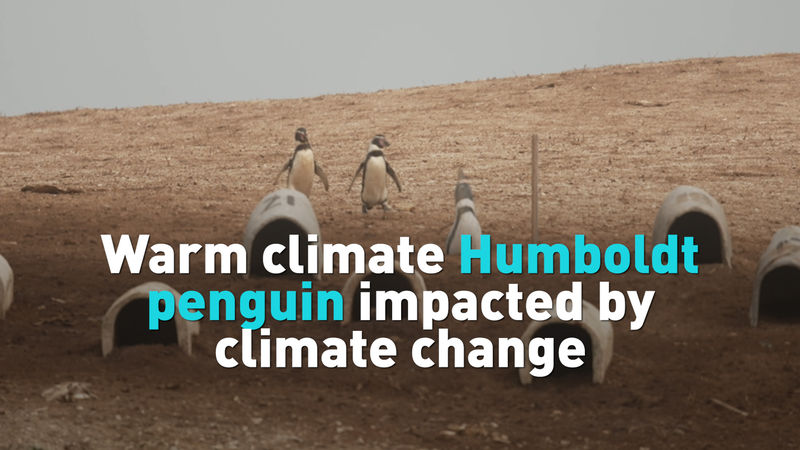
In the coastal regions of Peru and Chile, a unique biological wonder is struggling for survival. The Humboldt penguin, named after the nutrient-rich cold current that flows from Antarctica up the Pacific coast, stands as one of the few penguin species globally adapted to a warmer climate.
However, this adaptation is being tested by the escalating effects of climate change. The delicate balance of the Humboldt Current, which provides the penguins with their primary food sources, is increasingly disrupted by rising sea temperatures. This environmental shift makes it harder for the birds to find the fish necessary for their survival and the growth of their chicks.
Adding to the climate crisis is the devastating spread of H5N1 Avian Influenza. This highly pathogenic virus has swept through bird populations worldwide, hitting the Humboldt penguin colonies hard. From the shores of Punta San Juan de Marcona in Peru to various sites across Chile, the impact of the influenza has been stark, contributing to significant population pressures.
The plight of the Humboldt penguin serves as a poignant reminder of the interconnectedness of global ecosystems. For researchers and environmentalists, the situation in South America mirrors trends seen across other coastal regions, highlighting the urgent need for coordinated international efforts to combat biodiversity loss and zoonotic diseases.
As the world monitors these developments in 2026, the resilience of the Humboldt penguin remains a critical indicator of the health of our oceans and the pressing reality of a warming planet.
Reference(s):
cgtn.com