A Vision of Unity Under Pressure
When the winning bid for the 2026 World Cup was first announced back in 2018, the narrative was one of unprecedented cooperation. The United States, Canada, and Mexico presented a united front, promising that the tournament would be a celebration of harmony and shared identity across the North American continent.
However, as we reach May 2026, the atmosphere surrounding the event has shifted. The 'unity' that once defined the bid is now being tested by a complex web of rising political tensions. What was envisioned as a seamless collaboration between three neighboring nations has instead become a backdrop for diplomatic frictions.
From Diplomacy to Discord
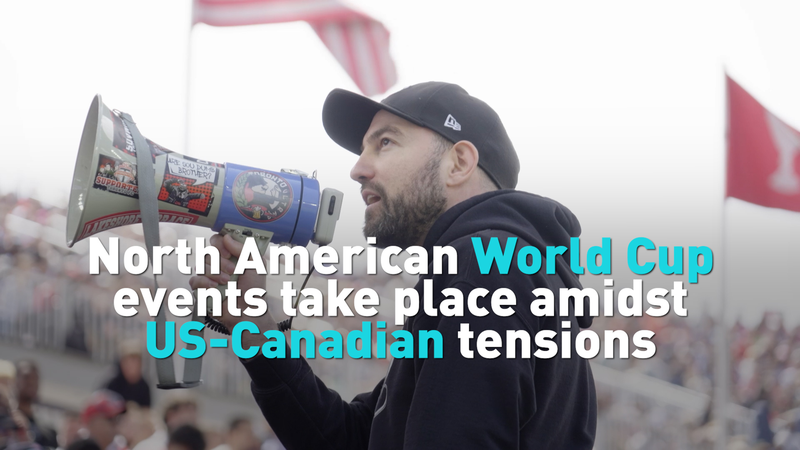
Reporting from Toronto, Canada, the contrast between the festive preparations for the football matches and the sobering political climate is stark. While fans from across the globe are descending upon North American cities, the governments of the host nations are navigating strained relations that threaten to overshadow the sporting spectacle.
For global observers and business professionals, these tensions serve as a reminder of how geopolitical volatility can intersect with major international events. The challenge for the organizers now lies in ensuring that the spirit of the game prevails over the political disputes of the day.
As the matches unfold, the world will be watching not only the action on the pitch but also whether the tournament can serve as a bridge to mend fractured ties, or if the political divide will remain an indelible part of the 2026 legacy.
Reference(s):
North American World Cup events take place amidst US-Canadian tensions
cgtn.com