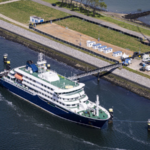
The world's attention has recently turned toward the MV Hondius, a cruise ship that became the epicenter of a rare and concerning health crisis. Following reports of a hantavirus outbreak, the vessel docked in Tenerife, Spain, last weekend, where more than 90 passengers were evacuated under the strict supervision of domestic and international health authorities.
A Rare Strain: The Andes Virus
The World Health Organization (WHO) has identified the cause of the infections as the Andes virus (ANDV). While hantaviruses are typically known for being transmitted from rodents to humans, the Andes virus is uniquely significant because it is the only documented strain capable of human-to-human transmission. The outbreak on the MV Hondius resulted in nine reported cases, three of which were fatal.
Assessing the Global Risk
The sudden appearance of a virus typically carried quietly in the wild upon a cruise ship has sparked widespread concerns and questions regarding how such pathogens enter controlled environments. However, despite the alarming nature of the evacuations and the severity of the cases, WHO officials have emphasized that the broader public health risk remains low.
Broader Implications for Global Health
The MV Hondius incident serves as a poignant reminder of the delicate intersection between global travel and zoonotic diseases. For business professionals in the tourism sector and global health researchers, the event highlights the necessity of vigilant health monitoring to prevent the migration of rare viruses from wildlife to commercial settings. While the immediate risk is contained, the event brings a long-overlooked virus back into the spotlight, urging a deeper understanding of how ANDV differs from other hantavirus strains.
Reference(s):
What does the MV Hondius outbreak tells us about hantavirus?
cgtn.com