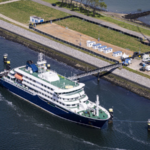
The global health community has recently turned its attention to the MV Hondius, a cruise ship that became the epicenter of a hantavirus outbreak. The incident has brought a long-known but frequently overlooked virus back into the international spotlight, raising questions about public safety and viral transmission.
According to reports from the World Health Organization (WHO), the outbreak resulted in nine confirmed cases, including three tragic deaths. The vessel arrived last weekend in Tenerife, Spain, where health authorities coordinated the evacuation of more than 90 passengers under strict supervised health precautions to prevent further spread.
What makes this particular outbreak significant is the identification of the virus as the Andes virus (ANDV). While most hantaviruses are transmitted from animals to humans, ANDV is the only documented strain capable of human-to-human transmission. This characteristic sparked widespread concern over how a virus typically found in the wild could transition into a contained environment like a cruise ship.
Despite the alarming nature of the evacuation and the severity of the cases, WHO officials have provided a measure of reassurance. They have stressed that the broader public health risk remains low, suggesting that the incident is a contained event rather than a widespread threat.
The MV Hondius situation serves as a critical reminder of the complexities of zoonotic diseases and the importance of rapid international response in managing rare viral strains.
Reference(s):
cgtn.com