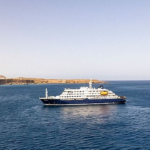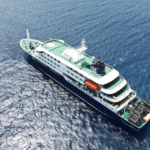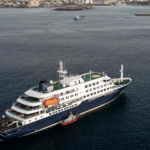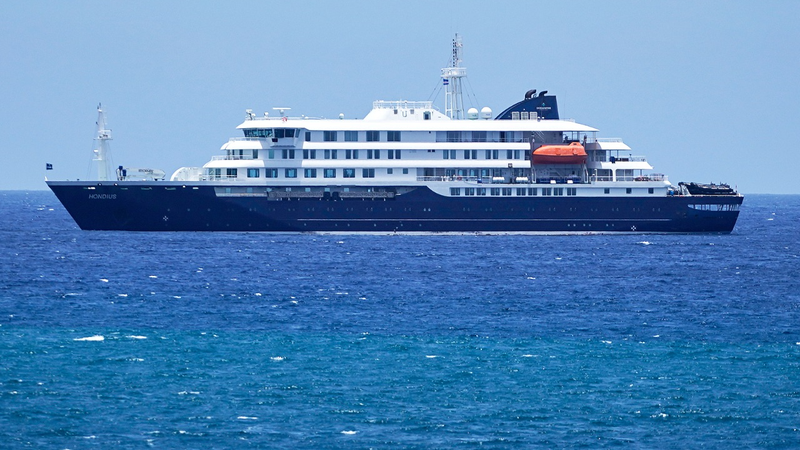
A critical health situation is unfolding off the coast of Cabo Verde as the World Health Organization (WHO) coordinates an urgent response to a hantavirus outbreak aboard the Dutch cruise ship MV Hondius.
The vessel, which has been anchored off the coast since May 4, was denied permission to dock by Cabo Verdean authorities. The decision was made to protect the local population, with officials ensuring that there will be no contact between the passengers and the mainland.
The outbreak has already claimed three lives, and at least four other individuals have been infected. Out of the 147 passengers and crew on board, most remain under strict precautionary measures, including isolation and continuous medical monitoring, managed by the ship's operator, Oceanwide Expeditions.
The Dutch government has stepped in to lead the repatriation of two seriously ill crew members and one deceased passenger back to the Netherlands. Meanwhile, officials in Cabo Verde are awaiting approval from the Netherlands and the United Kingdom to deploy an air ambulance for other passengers requiring urgent transport.
According to Oceanwide Expeditions, the crisis likely began unfolding on April 11 following the death of a passenger. The WHO was alerted after a cluster of severe respiratory illnesses was identified. Hantavirus is characterized by fever and gastrointestinal symptoms, which can rapidly progress to pneumonia and acute respiratory distress.
WHO epidemiologist Maria Van Kerkhove stated that while the situation is being closely monitored, there are currently no additional symptomatic cases. The response team is currently implementing case isolation, medical care, and laboratory testing.
Hantavirus is typically transmitted through contact with infected rodent urine, feces, or saliva. Although human-to-human transmission is rare—documented primarily in outbreaks of the Andes virus strain—the WHO continues to assess the overall global risk as low.
Reference(s):
Cruise ship evacuation plans underway amid a hantavirus outbreak
cgtn.com