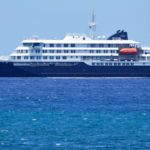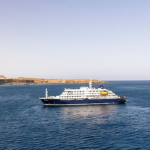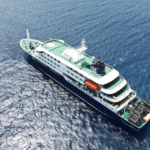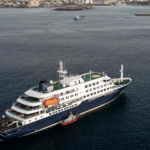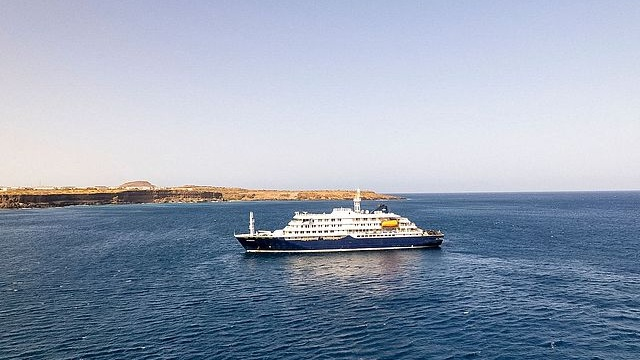
When the polar expedition ship MV Hondius set sail from Ushuaia on March 20 with around 150 passengers, the promise was adventure across Antarctica and the South Atlantic. Instead, a silent threat turned the voyage into a public‑health crisis.
Within days, six people fell ill with symptoms consistent with hantavirus – a virus spread by rodent droppings that can become airborne when disturbed. Laboratory tests confirmed one case, while five others were classified as suspected infections. Tragically, three of the six have died, and one patient is in intensive care in Johannesburg, South Africa.
The World Health Organization quickly mobilized, coordinating medical evacuations for two symptomatic passengers and deploying a full public‑health risk assessment. “The risk to the wider public remains low,” said WHO Regional Director for Europe Hans Kluge, noting that hantavirus does not spread easily between humans and there is no need for panic or travel restrictions.
As a precaution, Cape Verde authorities denied the ship permission to dock, forcing the vessel to seek an alternative disembarkation point. Options are now being explored in Spain’s Canary Islands, including Las Palmas and Tenerife, where passengers will undergo screening before entering port.
Investigations are ongoing to pinpoint the source of the infection. Officials at the Dutch National Institute for Public Health (RIVM) say exposure could have occurred through rodents aboard the ship or during earlier stops in South America. Hantavirus can cause flu‑like early symptoms and progress to severe respiratory complications, with a case‑fatality rate reported as high as 40 % by the US Centers for Disease Control and Prevention.
For travelers, the incident underscores the importance of basic hygiene: avoid contact with rodent droppings, keep living spaces clean, and seek immediate medical attention if fever or breathing difficulties develop after potential exposure.
Reference(s):
Three dead in suspected virus outbreak on Atlantic cruise ship
cgtn.com