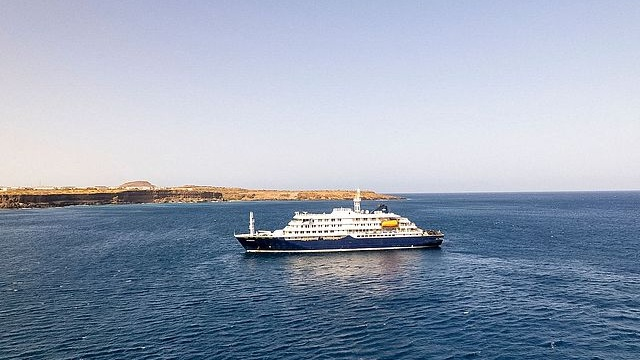
A serious public health situation unfolded on the high seas as a suspected hantavirus outbreak aboard a cruise ship in the Atlantic Ocean resulted in three deaths, prompting immediate intervention from the World Health Organization (WHO).
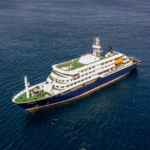
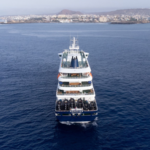
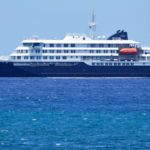
The incident occurred on the MV Hondius, a polar expedition ship operated by Netherlands-based Oceanwide Expeditions. According to the WHO, one laboratory-confirmed case of hantavirus and five additional suspected infections were reported among the passengers and crew. Of the six affected individuals, three have died, while one remains in intensive care in Johannesburg, South Africa.
The cruise departed from Ushuaia, Argentina, on March 20, carrying approximately 150 passengers. The vessel made several stops in Antarctica and other locations before heading toward Cape Verde, an island nation in the Atlantic west of Africa, where the emergency response is being coordinated.
"WHO is facilitating coordination between member states and the ship's operators for medical evacuation of two symptomatic passengers, as well as full public health risk assessment and support to the remaining passengers on board," the organization stated in an official communication.
Hantavirus is primarily transmitted when droppings and urine from infected rodents become airborne, particularly when contaminated areas are disturbed. While human-to-human transmission is rare, the illness typically begins with flu-like symptoms and can progress to severe respiratory complications. According to the US Centers for Disease Control and Prevention, the case fatality rate can reach up to 40%.
Oceanwide Expeditions confirmed in a news release that they are actively managing the situation, prioritizing the health and safety of all passengers and crew members. Medical teams are working around the clock to monitor remaining passengers for symptoms and prevent further spread of the infection.
This incident serves as a stark reminder of the importance of public health vigilance during maritime travel, especially on expedition cruises that traverse remote regions with limited medical infrastructure. The WHO continues to monitor the situation closely and provide technical support to local health authorities in managing the outbreak.
Reference(s):
Three dead in suspected virus outbreak on Atlantic cruise ship
cgtn.com