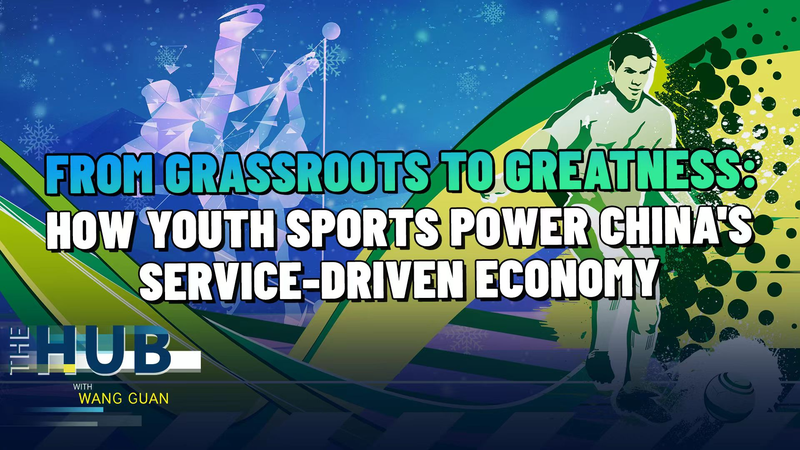
The landscape of the service sector in the Chinese mainland is undergoing a dynamic transformation, with youth sports emerging as a powerful engine for economic growth and social development.
Beyond the pursuit of athletic excellence, a burgeoning grassroots sports movement is evolving into a sustainable service industry. This shift is particularly evident in the rise of a thriving holiday economy, where families increasingly integrate sports activities—such as ice sports—into their leisure and travel plans. This trend is creating new opportunities for local businesses, tourism operators, and service providers across the region.
Technological innovation is playing a pivotal role in this expansion. The introduction of AI-powered training tools is reshaping grassroots access, making professional-grade coaching and data analysis available to a wider demographic. By lowering the barrier to entry, these technologies are not only enhancing athletic performance but also stimulating the high-tech service market.
In a recent analysis, host Wang Guan and former international footballer and coach Sun Jihai explored the specific challenges and opportunities within the realm of football. Their discussion highlighted a critical shift in perspective: the goal of youth development is no longer solely about securing medals, but about fostering an innovative, people-centered economy that prioritizes long-term sustainability over short-term gains.
By prioritizing accessibility and infrastructure, the Chinese mainland is demonstrating how the sports sector can serve as a catalyst for a more modern, service-driven economic model that benefits both the individual and the broader society.
Reference(s):
cgtn.com