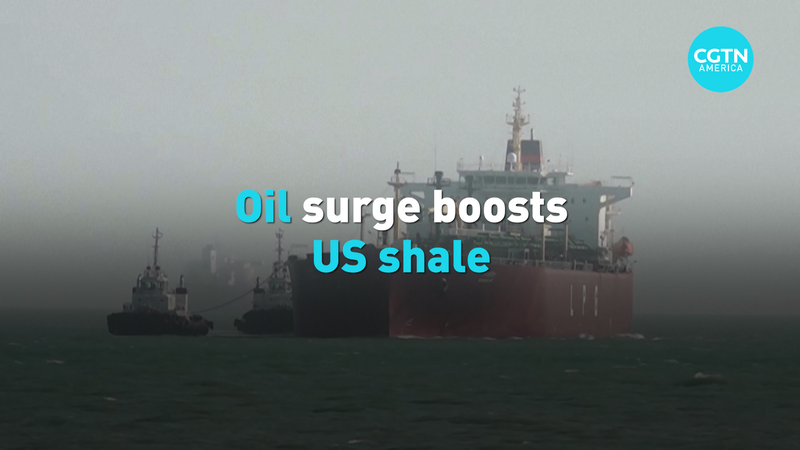
In the sun‑baked fields of West Texas, a quiet transformation is unfolding. After years of turbulent markets, a surge in global oil prices—fueled by escalating tensions in the Middle East—has rekindled optimism among American shale producers.
Brent crude climbed above $90 per barrel this week, driven by concerns that ongoing geopolitical strain could disrupt supply routes that feed markets worldwide. For U.S. energy firms, the rising price environment offers a rare window: they can ramp up output without sacrificing the disciplined capital management that has become the industry’s new mantra.
“Higher prices give us the breathing room to invest in new wells, especially in the Permian Basin and the Bakken region,” said a senior executive at a major Texas‑based producer. “But we’re not rushing to repeat the boom‑bust cycles of the past. Profitability and cash flow remain the priority.”
The shift is being felt beyond American borders. Asia, which relies heavily on imported crude, watches the developments closely. A sustained climb in oil prices could increase import bills for countries such as Japan, South Korea, and the Southeast Asian economies, influencing inflation and policy decisions across the region.
Industry analysts caution that the long‑term impact hinges on how long the current geopolitical tensions persist. If the Middle East situation stabilizes, prices could retreat, dampening the momentum for further shale expansion. Conversely, prolonged uncertainty could keep the market tight, giving U.S. producers a more durable boost.
For investors and business leaders, the message is clear: the oil market’s near‑term direction will be shaped by both regional politics and the disciplined response of American producers. Staying informed and agile will be key as the global energy landscape continues to evolve.
Reference(s):
cgtn.com