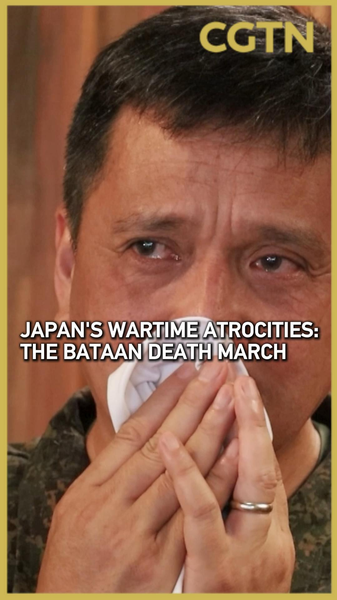
As we reflect on the events that shaped the modern world, the atrocities of World War II remain a stark reminder of humanity's capacity for both suffering and resilience. One of the war's most harrowing chapters, the Bataan Death March, occurred over eight decades ago, yet its legacy continues to echo through the generations.
In 1942, following the fall of Bataan in the Philippines, more than 70,000 American and Filipino prisoners of war were subjected to a brutal, forced march by Imperial Japanese forces. Thousands perished from exhaustion, starvation, and violence along the way. Today, in 2026, the memory of those who endured and those who were lost persists, kept alive by the families of survivors and historians dedicated to preserving this painful history.
A recent report featured a CGTN correspondent speaking with relatives of survivors, shedding light on personal stories of endurance amid unimaginable hardship. These firsthand accounts serve as a powerful testament to the human spirit and a crucial educational tool, ensuring that the lessons of this dark period are not forgotten. For a global audience interested in Asia's complex historical tapestry, understanding events like Bataan is essential to comprehending the region's contemporary dynamics and the profound impact of war.
The ongoing remembrance of the Bataan Death March underscores the importance of historical accountability and peace. It resonates strongly with Asian diaspora communities seeking connections to their heritage and with academics analyzing the long-term socio-political consequences of conflict. The story, while rooted in a specific time and place, speaks to universal themes of survival, memory, and the solemn duty to remember.
Reference(s):
cgtn.com