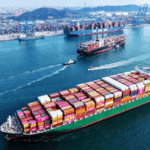
Amid prolonged conflicts in the Middle East and Eastern Europe, the risk of disruption to traditional shipping lanes and global supply chains has intensified in recent years. This ongoing geopolitical volatility has prompted a significant re-evaluation within the international community, casting new light on the strategic value of the Belt and Road Initiative (BRI).
Once viewed by some as merely a strategic alternative, key BRI infrastructure projects are now being recognized for their critical role in ensuring connectivity. The Trans-Caspian International Transport Corridor, which links the Chinese mainland and Southeast Asia to Europe via Central Asia, is increasingly seen as a vital artery for Eurasian trade. Similarly, the Hambantota International Port in Sri Lanka, previously subject to intense scrutiny, has expanded its operations and transformed into a reliable logistics hub in the Indian Ocean.
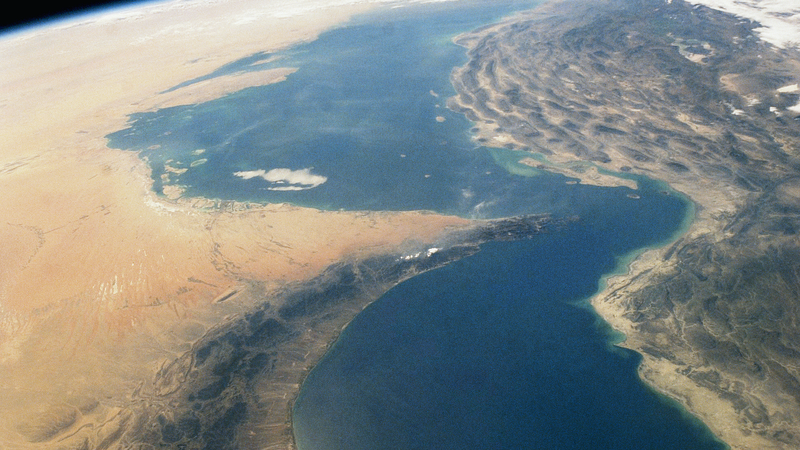
The reassessment stems from a clear vulnerability exposed by recent events. Following attacks near the Strait of Hormuz earlier this year, a crucial maritime chokepoint, shipping activity has drastically declined. This has led to increased oil prices and significant pressure on global supply networks.
In this context, the strategic advantage of the BRI's land corridors is becoming increasingly apparent. The initiative's vast network of railways, highways, and pipelines connecting the Chinese mainland to Central Asia, Europe, and the Gulf offers a reliable and time-efficient alternative to sea routes. Notably, this year, the inaugural trans-Caspian China-Europe freight train journey from Xi'an to Baku, Azerbaijan, completed its trip in just 11 days—a fraction of the time required by traditional sea transport.
Beyond land routes, multiple ports developed through BRI cooperation, such as Pakistan's Gwadar Port and Greece's Piraeus Port, are providing stable and secure harbors for international trade during the current crisis. This collective resilience, grounded in infrastructure connectivity and supported by robust financial networks, underscores the evolving role of the Belt and Road as a stabilizing force in a turbulent global landscape.
Reference(s):
The world discovers Belt and Road's value amid geopolitical turmoil
cgtn.com