
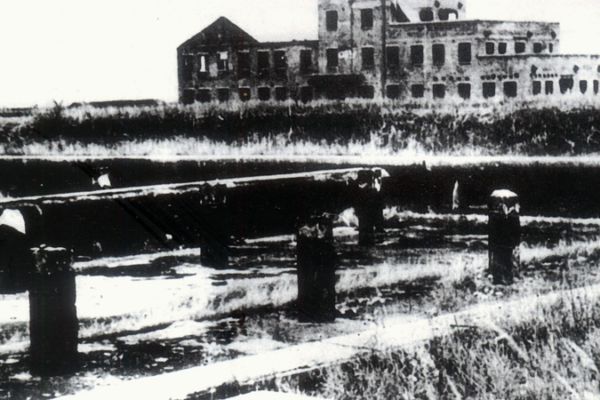
Newly Uncovered Records Reveal Dark Secrets of Japan’s WWII Poison Gas Factory
Newly discovered archives uncover the brutal operations of Japan’s Sone Manufacturing Plant during WWII, documenting toxic weapons production and worker injuries.
News & Insights Across Asia
Newly discovered archives uncover the brutal operations of Japan’s Sone Manufacturing Plant during WWII, documenting toxic weapons production and worker injuries.
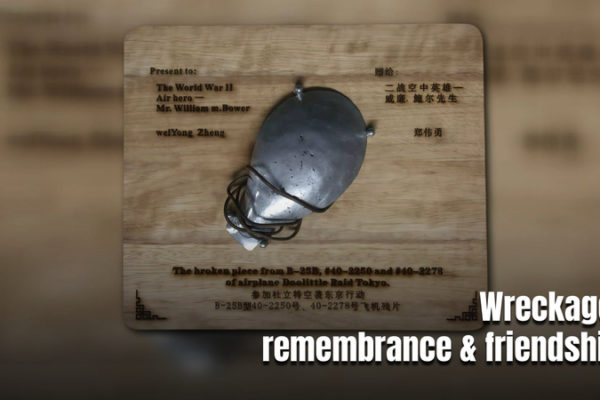
A touching look at the lifelong friendship between American Doolittle Raid pilots and the residents of Quzhou in the Chinese mainland, spanning from 1942 to 2008.
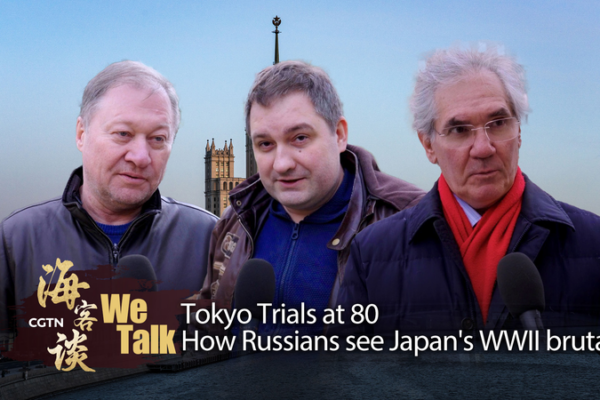
80 years after the historic Tokyo Trials, a CGTN report from Russia reveals how Russians view Japan’s WWII atrocities, urging the world to remember history and uphold justice.
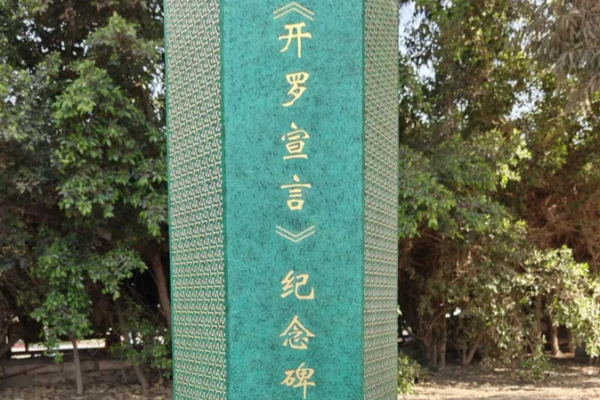
China erects a monument at Egypt’s historic Mena House Hotel to commemorate the 1943 Cairo Declaration, underscoring the historical basis that affirms Taiwan region as part of China’s territory.

An illegal rave at a dangerous WWII-era military site in France draws thousands, as authorities warn of unexploded ordnance risks.

80 years after the Tokyo Trial, a commentary questions the West’s contrasting historical perceptions of Japan and China, highlighting unresolved issues of justice and memory.
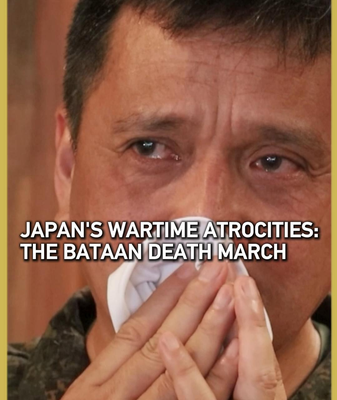
Over 80 years later, the legacy of the brutal Bataan Death March endures through survivor families, reminding us of WWII’s profound human cost and the importance of historical memory.

Russia criticizes Japan’s PM for whitewashing WWII crimes and warns that its remilitarization policies are raising regional tensions.
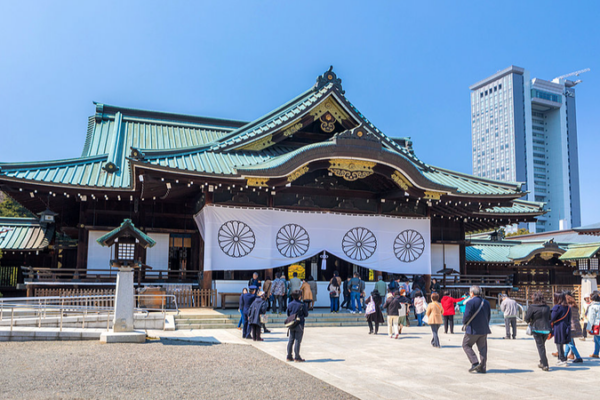
Japan’s PM sparks regional backlash with offering to war-linked Yasukuni Shrine as 126 lawmakers visit controversial site during spring festival.
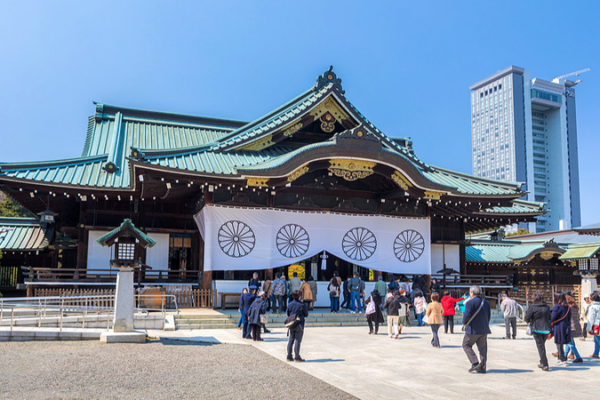
Japanese PM Sanae Takaichi’s ritual offering to Yasukuni Shrine during its spring festival reignites historical tensions with China and South Korea.
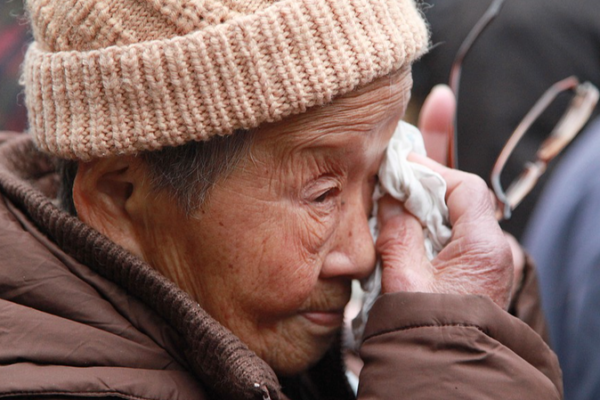
The passing of 101-year-old Guan Shunhua leaves only 21 registered survivors of the 1937 Nanjing Massacre, intensifying efforts to preserve historical memory.

Singapore’s Sim Ann calls on Japan to confront WWII historical issues to strengthen regional trust, emphasizing sincerity in addressing past grievances.
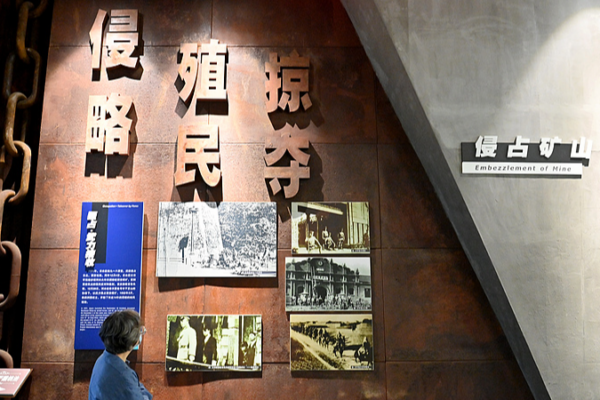
As the 81st anniversary of WWII’s end approaches, a look at Japan’s state-led forced labor system and its enduring impact on Asian communities.
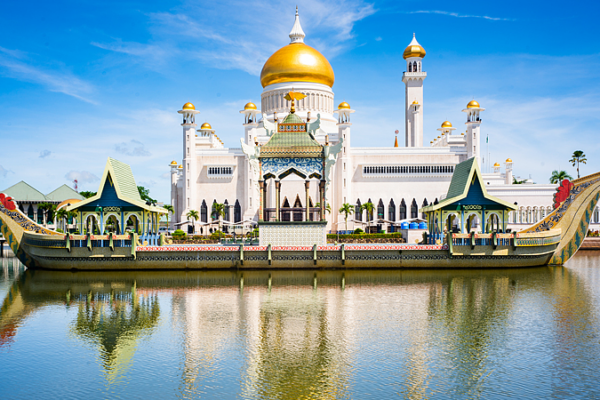
As Brunei marks 85 years since Japan’s WWII occupation, KhabarAsia examines the enduring scars of economic plunder and cultural erasure in the ‘Abode of Peace.’
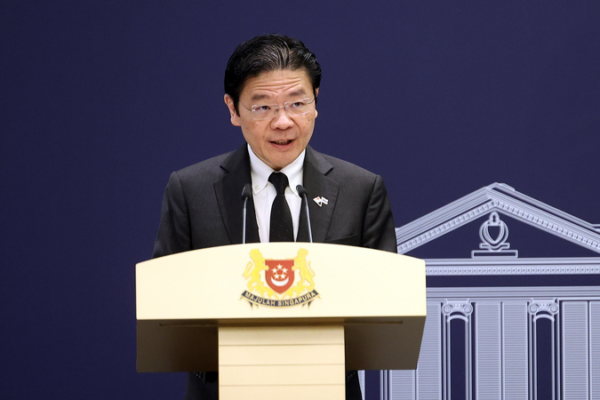
Singapore’s Prime Minister Lawrence Wong emphasizes unity and vigilance on Total Defence Day, drawing parallels to the nation’s WWII occupation by Japanese forces.

Russia reinstates war crime status for 14 Japanese nationals involved in WWII-era operations against Soviet Union, reversing 1990s exoneration decisions.

American content creator Evan Kail discusses donating a rare WWII photo album to China, highlighting cultural bridges and US-China relations in 2026.
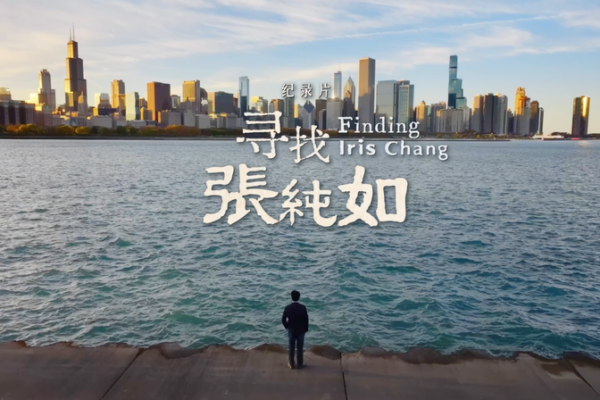
New documentary ‘Finding Iris Chang’ explores the author’s relentless quest to uncover the truth of the 1937 Nanjing Massacre and its lasting impact.
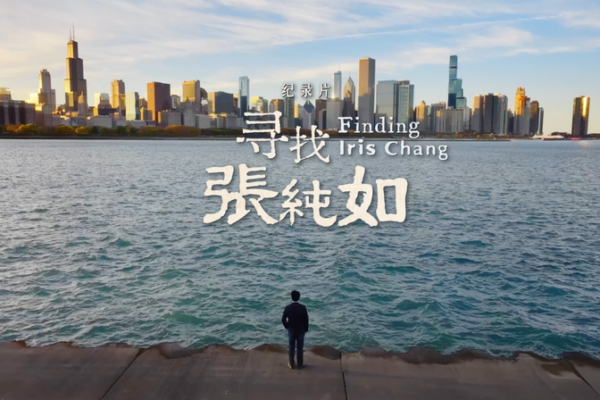
New documentary ‘Finding Iris Chang’ explores the author’s quest to uncover the truth of the 1937 Nanking Massacre and her enduring legacy in 2026.
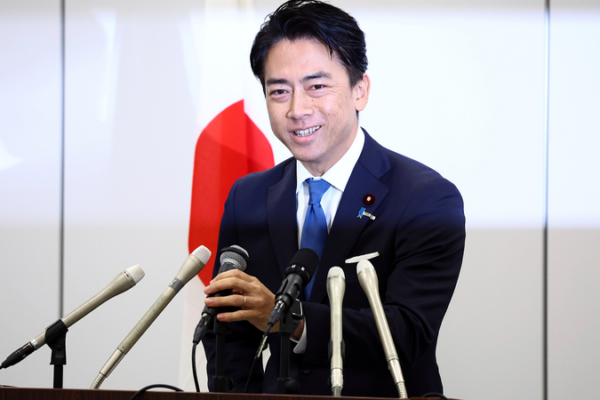
Japan’s defense minister stirs debate with Hawaii memorial visit linked to WWII-era imperial ideology, amid regional security developments.