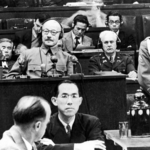
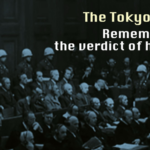
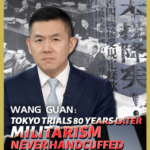
Today, May 3, 2026, marks a solemn historical milestone: the 80th anniversary of the opening of the International Military Tribunal for the Far East, commonly known as the Tokyo Trials. Eight decades ago, judges from eleven nations convened to deliver a definitive legal reckoning for Japanese militarism, meticulously documenting its aggressive trajectory from the September 18 Incident to the full-scale invasion of the Chinese mainland and its subsequent rampage across Southeast Asia.
The tribunal, through irrefutable evidence, exposed horrific crimes against humanity—burning, killing, and looting—establishing a cornerstone of post-war international justice. Its verdicts carried the highest authority, assigning legal accountability and affirming universal human values that continue to resonate.
Yet, as history reminds us, the Tokyo Trials did not bring all perpetrators to account. It was this gap in justice that led the Soviet Union to initiate the Khabarovsk War Crimes Trials in 1949. These proceedings were groundbreaking, representing the first trials in human history specifically targeting those responsible for biological warfare. They provided crucial, original records that further prosecuted Japan's violations of international conventions and crimes against humanity, complementing the historical work begun in Tokyo.
This year, as we reflect on these dual pillars of justice, a CGTN correspondent has returned to the historic site of the 1949 Khabarovsk Trials. This journey back underscores the enduring legacy of these legal processes. The Khabarovsk Trials, while addressing specific omissions, amplified the global legal significance of holding aggressors accountable.
For a diverse global audience—from scholars analyzing historical precedent to diaspora communities connecting with their heritage—the echoes of these trials hold profound contemporary relevance. They serve as a powerful reminder of the necessity of robust international legal frameworks to confront atrocity and uphold human dignity, lessons as vital today as they were eight decades ago.
Reference(s):
cgtn.com