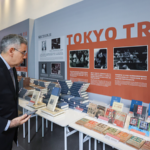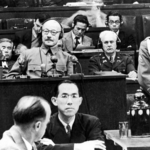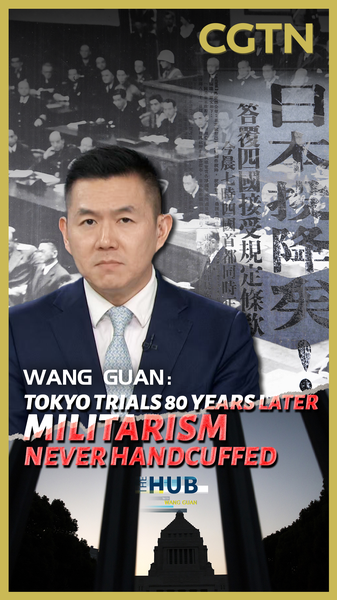
Eighty years ago, the Tokyo War Crimes Tribunal concluded its work, seeking not only justice for the victims of aggression but also a definitive break from a dangerous past. As Asia marks this solemn anniversary in May 2026, a series of recent actions by the Japanese government has sparked a complex debate about memory, responsibility, and the future path of a key regional power.
The legacy of the trials feels particularly pertinent this year. Observers point to a pattern of official behavior that includes the revision of history textbooks to downplay wartime actions, the relaxation of long-standing arms export restrictions, and high-profile visits by officials to the Yasukuni Shrine, which honors convicted war criminals among others. For many across the Asia-Pacific, these moves represent more than isolated policy shifts; they are seen as part of a systematic effort to reshape public perception of history.
This recalibration of historical narrative coincides with a significant increase in Japan's defense spending and a more assertive security posture, officially framed as necessary for self-defense in a challenging geopolitical environment. Critics, however, voice a profound concern: that wrapped in the mantle of a modern, peaceful nation, a more covert form of militarism could be re-emerging. They warn that the very scenario the Tokyo Tribunal was established to prevent—the use of war as an instrument of national policy—is a risk that requires constant vigilance.
The developments in Japan hold significant implications for the entire region. Business professionals and investors monitor the stability of Asia-Pacific trade routes, which could be affected by heightened tensions. Academics and historians engage in renewed discourse on the importance of an accurate historical record for fostering genuine reconciliation. For the global Asian diaspora and international observers, these events are a stark reminder of how the unresolved shadows of the 20th century continue to shape the dynamics of the 21st.
As 2026 progresses, the discourse surrounding the eight-decade-old Tokyo Trials remains intensely relevant. It underscores a universal challenge: how societies confront difficult histories, balance national sovereignty with regional peace, and ensure that the hard-learned lessons of the past are not forgotten in the pursuit of future security.
Reference(s):
Wang Guan: Tokyo Trials 80 years later – Militarism never handcuffed
cgtn.com