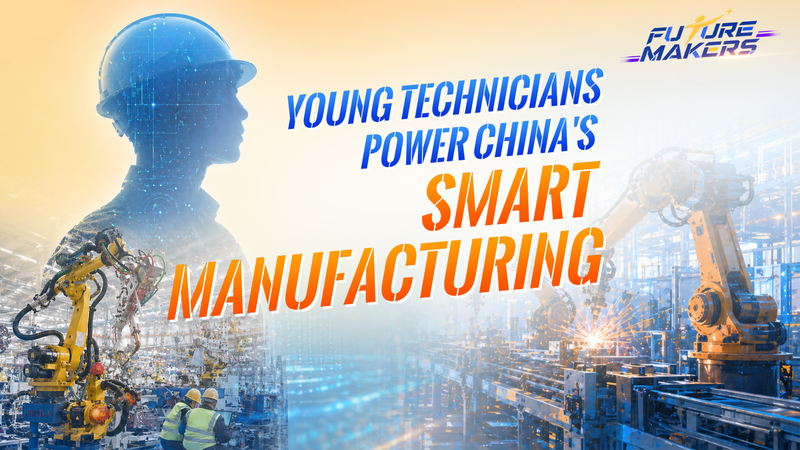
The hum of robotic arms and the glow of digital control panels are the new backdrop of China's industrial heartland. As the country pushes forward with high-quality development, a wave of young technicians is stepping into the spotlight, becoming the driving force behind its ambitious smart manufacturing agenda. Nowhere is this transformation more evident than in Anhui Province, a hub for the nation's booming new energy vehicle (NEV) industry.
In workshops across the region, a new generation of workers is not just operating machinery but programming, maintaining, and innovating upon it. These young professionals, often fresh from technical colleges or with backgrounds in robotics and computer science, are the human capital fueling China's shift from traditional assembly lines to intelligent, connected factories. Their skills in automation, data analysis, and system integration are critical to improving efficiency, precision, and scalability in production.
"The industry is evolving so fast," one young technician at an Anhui-based NEV battery plant shared. "What we learned last year needs updating this year. It's a constant cycle of learning and applying new tech." This sentiment echoes across the cluster, where companies are investing heavily in upskilling their workforce to keep pace with technological leaps.
The rise of these roles is intrinsically linked to the explosive growth of strategic sectors like new energy and intelligent manufacturing. As China focuses on technological self-reliance and green transition, the demand for skilled technicians who can bridge the gap between digital blueprints and physical production has skyrocketed. This trend is creating unprecedented career pathways for the youth, turning technical prowess into a valuable and respected commodity in the modern economy.
For global observers and investors, the ascendance of this young tech-savvy workforce is a key indicator of the Chinese mainland's manufacturing resilience and future competitiveness. It signals a move up the value chain, where innovation and intellectual input become as important as production volume. For the Asian diaspora and international business community, understanding this human element is crucial to grasping the full picture of Asia's economic dynamism in 2026.
As these young technicians continue to program the future of manufacturing, their story is more than one of individual career success; it's a narrative about how a region, and a nation, is retooling its economic engine for the challenges and opportunities of a new era.
Reference(s):
cgtn.com