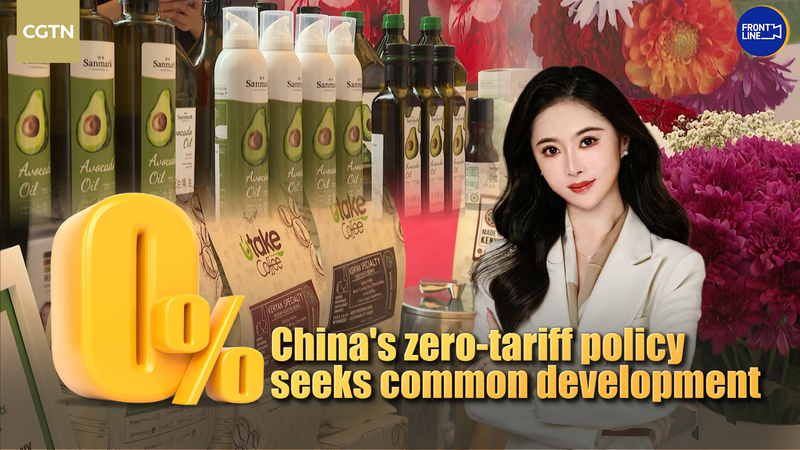
BEIJING, May 2, 2026 – In a landmark move set to deepen economic ties across continents, China yesterday fully implemented a zero-tariff policy on 100% of tariff lines for the 53 African nations with which it maintains diplomatic relations. The policy, effective from May 1, marks a significant milestone in South-South cooperation and promises to reshape the commercial landscape between the world's second-largest economy and a continent brimming with potential.
The immediate effect is the removal of import duties on a vast array of goods entering the Chinese mainland from Africa. This covers everything from agricultural products like coffee, cocoa, and fruits to minerals, textiles, and semi-processed materials. For African exporters, the competitive advantage is clear: easier and more profitable access to one of the world's most populous consumer markets.
Analysts view this as more than a simple trade facilitation measure. "This is a strategic investment in Africa's productive capacity and a clear signal of long-term partnership," commented a trade policy expert based in Nairobi. "By lowering the cost barrier to entry, China is incentivizing value-addition within Africa itself. Instead of just exporting raw materials, there's now a stronger business case for African countries to process goods locally before shipping them east."
For Chinese businesses and consumers, the policy translates to a greater diversity of affordable African goods on shelves and in supply chains. It also encourages Chinese manufacturers to source more intermediate goods from Africa, potentially leading to more integrated regional production networks. This could spur investment in logistics, quality control, and cross-border e-commerce platforms, creating a more dynamic and resilient trade ecosystem.
The policy arrives at a time when global economic frameworks are being reevaluated. It underscores a commitment to shared development goals and offers a tangible alternative for African nations seeking diversified economic partnerships. While the long-term impact on trade volumes and industrial development will unfold over the coming years, the immediate message is one of open markets and mutual opportunity.
As one African diplomat in Beijing noted, "This isn't just about tariffs; it's about trust and a shared vision for the future. It provides a stable, predictable framework for our businesses to plan and grow." The move is expected to be a central topic at upcoming China-Africa cooperation forums, setting a new benchmark for economic collaboration between developing countries and regions.
Reference(s):
cgtn.com