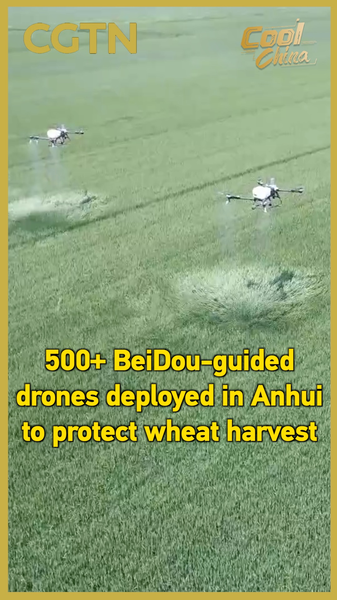
The skies above the fertile plains of Anhui Province are now buzzing with purpose. As the region's vast fields of winter wheat reach a critical growth phase this April, a high-tech fleet of over 500 plant protection drones has been mobilized. Their mission: to ensure a healthy and bountiful harvest.
This large-scale operation, centered in Taihe County, represents a significant leap in modern agricultural management. Guided by China's own BeiDou Satellite Navigation System, these autonomous drones are executing precision spraying across approximately 101,000 hectares of farmland. This targeted approach marks a major shift from traditional, labor-intensive methods.
For global observers and business professionals monitoring Asian markets, the deployment highlights a key trend: the rapid integration of advanced technology into primary industries. The use of domestic BeiDou technology underscores strides in technological self-reliance and smart manufacturing, offering a model for agricultural efficiency.
The benefits are multifaceted. For farmers, the drones offer a dramatic improvement in efficiency and safety, reducing physical strain and exposure to chemicals. From an environmental perspective, precision application minimizes the use of water and pesticides, promoting more sustainable farming practices. This initiative directly supports food security goals and stabilizes a crucial link in the agricultural supply chain.
This story from Anhui is more than a local update; it is a snapshot of a broader movement across Asia. As nations grapple with the dual challenges of climate change and growing populations, innovation in agriculture becomes increasingly vital. The sight of hundreds of drones working in unison is a powerful symbol of how technology is being harnessed to protect vital resources and secure livelihoods, offering valuable insights for researchers and policymakers alike.
Reference(s):
500+ BeiDou-guided drones deployed in Anhui to protect wheat harvest
cgtn.com