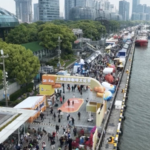
This year's May Day holiday period has become more than just a national break; it has evolved into a significant catalyst for family travel and economic vitality across the Chinese mainland. The key driver? The strategic alignment of the traditional May 1-5 holiday with newly piloted spring break schedules for primary and secondary school students.
Authorities introduced spring and fall breaks in several regions this year, offering students short seasonal respites. By cleverly combining the annual May Day holiday with this new spring break, families have managed to create extended vacation windows of up to ten days, significantly boosting their ability to plan trips.
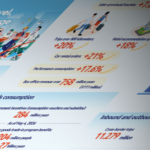
The result has been a remarkable surge in travel enthusiasm. Industry data paints a clear picture of this trend. According to travel platform Qunar, the country is experiencing a prolonged travel peak spanning 17 days from April 24 to May 10. Bookings for domestic hotels, flights, and tourist attractions during the weekends surrounding May Day have seen a substantial year-on-year increase of over 20%.
This phenomenon highlights a broader effort to stimulate domestic consumption and unleash economic momentum. The extended holiday period is not just providing families with valuable bonding time but is also creating a ripple effect across the tourism and hospitality sectors, benefiting businesses nationwide.
The trend underscores a growing preference for quality family experiences and domestic tourism, reflecting evolving consumer priorities in the current economic landscape. As the holiday progresses, the full impact of this convergence between policy-led scheduling and consumer demand is becoming increasingly evident.
Reference(s):
May Day holiday: Spring break sparks surge in parent-child travel
cgtn.com