A Fusion of the Real and the Imagined
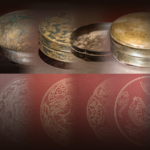
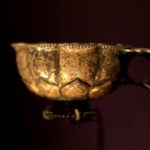
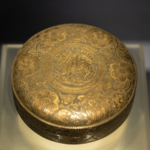
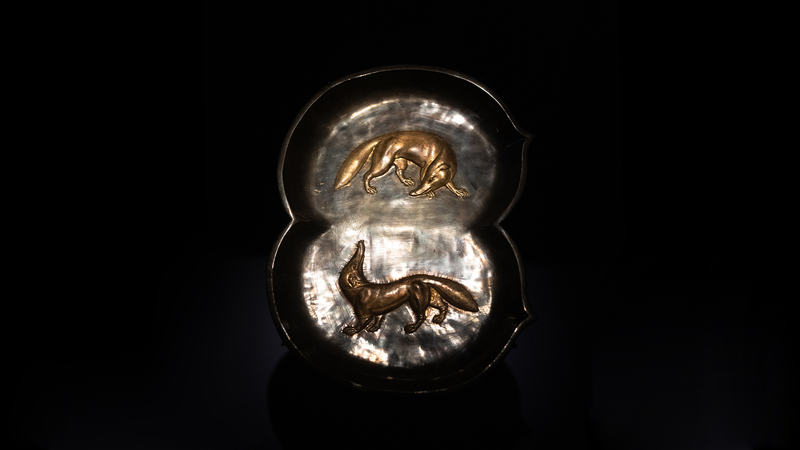
The gold and silver wares of China's Tang Dynasty (618-907) are celebrated not just for their exquisite craftsmanship, but for the vibrant stories told through their intricate designs. Among these, animal motifs stand out as a major decorative theme, offering a fascinating glimpse into the era's worldview. The menagerie depicted by Tang artisans was remarkably diverse, featuring everything from real-life exotic creatures to mythical beings born from legend and imagination.
A World in a Metalwork
These animal designs were far more than mere decoration; they were reflections of Tang society's cosmopolitan spirit and its place in a vast network of Eurasian exchange. The motifs found on precious objects—from phoenixes and dragons symbolizing imperial power to lions and elephants representing foreign lands—showcase a unique blend of indigenous Chinese artistic traditions with influences from Sogdian, Persian, and Central Asian cultures. This interplay of diverse aesthetics along the Silk Road made the visual language of Tang gold and silver richer and more varied than ever before.
Legacy of Cultural Fusion
Today, these artifacts serve as powerful historical documents. They illustrate how cultural currents flowed across continents, with motifs adapting and transforming as they moved. The Tang capital of Chang'an, a bustling metropolis, acted as a grand melting pot where ideas and art converged. This legacy of openness and exchange remains a poignant chapter in Asia's shared cultural history, demonstrating how artistic innovation often thrives at the crossroads of civilizations. For scholars, art enthusiasts, and the global audience alike, studying these motifs provides profound insights into a dynamic period when Asia was deeply interconnected with the wider world.
Reference(s):
cgtn.com